


-
🎄 Happy Holidays! Get a gift of 50fk in our Holiday 2025 Thread by posting a good memory!


-
Intro info here.
-
All cats, regardless of whether they are a medicine cat or not, are able to pick up some herb information however we ask that you not play them as more skilled or as skilled as the medicine cat so that our medicine cats are able to maintain the unique importance of their job. This isn't to say you can't pick up some information, but we want this rank to still hold the specialty of healing that no other rank can. We ask you be respectful of this when giving your cat knowledge on herbs and injuries!
Things your character is welcome to know:- Cobwebs stop bleeding.
- Mousebile for ticks.
- Poppy seeds are good for pain, but generally bad for pregnant queens.
- Some herbs, such as catmint, are exceptionally rare.
- You are allowed to recognize herbs when taught what they look like to assist the medicine cats.
- You are allowed basic knowledge on how to avoid making injuries worse (such as moving cats with broken bones, head injuries etc....)
Cats may also be familiar with general herb care in order to further assist medicine cats when also helping to gather them:- If herbs are wet, leave them out in the sun to dry.
- Gather fresh herbs when stock is low.
- Leave enough of the herb on its plant so it can reproduce when in season
- Check herb stores often, throw out old or weak herbs.
- Wrap honey in dock leaves with rhubarb to keep fresh.
- Use bark strips to finish the leaf wrap, or keep the herbs together so they can be fresh.
- Twine can be made from stinging nettle stems to bundle herbs.
-
Surface wounds include minor scrapes and cuts, small abrasions that generally do not need herbs and a thorough cleaning with the tongue will help mend it in time. Oftentimes a medicine cat will encourage those with these minor injury to tend to them on their own if they are dealing with multiple patients.
Dockleaf can be chewed and applied to any scratches or scrapes for pain. Burdock can ease the pain of rat bites or minor wounds and is also useful for numbing pain. In addition, burdock can also be used to treat sores or infected wounds.
Cracked or injured paw pads can be treated with a poultice of coltsfoot and could be prevented against infection by adding marigold or burdock root. Cracked pads can be softened with an ointment made out of yarrow.
Cuts, Gashes, Lacerations
Deeper cuts and wounds that go past the surface of the skin and may even dip past muscle tissue are handled with much more care than the above surface wounds. The deeper the injury the more susceptible to infection and irritation but the same basics apply. Cleaning the wound is always the priority, cobweb will be used to find the injury and a poultice of herbs applied to handle any swelling or possible infections. Often times these poultice will vary based on the source of the injury but marigold and goldenrod are commonly added for fighting infections. Horsetail and chervil made also be included for swelling and skin irritation. Wounds caused by rat bits may have burdock and burns that go deep may have comfrey which is also good for injury caused by the claws of predators.
Aches & Pains
Joint pain can be caused by a number of things, from mild sprains to joint deterioration caused by age. Damp and cold environments often make the pain worse. Comfrey or marigold can be used to decrease inflammation in stiff joints and make it easier to move. Daisy leaves or ragwort leaves can be used to ease the pain associated with aching joints. Water therapy or soaking in warm water (like the hot springs) can also loosen joints and help with pain.
Headaches can be treated specifically with feverfew or other forms of painkillers such as poppyseed or dandelion.
Bellyaches can be caused by a number of things such as overeating, undereating, or eating something rotten or poisonous. For bellyaches caused by undereating the answer is pretty simple. Otherwise try using juniper, chervil, watermint, parsley, or mallow leaves.
Toothache caused by cracked teeth, cavities, or infection can be treated by chewing on alder bark. For infection try meditating with sweet-sedge or stinging nettle. Warm-water compresses can also help with pain but will not make it go away.
Sprains, Dislocation, Breaks
Sprains are caused by damage to the ligaments, whether they are stretched, twisted or even torn. Sprains can be aided with stinging nettle or elder leaves and sometimes often just rest depending on the severity. A cat with a sprain can be expected to be off their paws up to a month max for more severe spraining but the minimum of a week for minor ones. Elder leaves can also be used to soothe sprains when turned into a poultice. A wrap of elder leaves and cobwebs can be applied to soothe and quicken the healing process. Sometimes a sprain is inevitable, but stretching can reduce the likelihood of it happening.
Dislocation is when trauma forces a joint out of the socket. It is extremely painful and will immobilize the joint. The only way to treat such an injury is by pushing the joint back into place. After the joint is back into the right position, the pain will likely persist and the joint will be sore. A splint or cast made out of sticks and cobwebs or various other items can help it heal. Use herbs to mediate pain and suggest bed rest. Dislocation can be more serious when blood vessels, nerves, bones, muscles, and ligaments are damaged to the point of needing serious repair or adjusting the joint doesn't work.
Broken bones are one of the more severe and tricky things to handle. Hairline fractures (small cracks in the bone but not a full break) are a best case scenario and often mend on their own with proper rest and no pressure put on said break. More severe broken bones such as full breaks or even compound fractures (when the bone breaks through to the skin surface) have high chances of ending in infection that kill the cats. If a break does not break through the skin it can often be set and splint against the limb with a small chance of recover with proper herbs and rest.
Treatments:
Poppyseeds can be administered to reduce pain and shock. A stick can then be given to the injured to bite down on.
When combined with sticks, bindweed or rush can be used to stabilize a broken bone.
Cobwebs and marigolds can be used to slow the bleeding from open fractures and prevent infection.
A poultice of comfrey and stinging nettle can be used to reduce swelling and stiffness.
Cold moss compresses can also be used to bring down swelling.
Rest and cooperation are key to allowing bones to heal properly. The healing time can range anywhere from 4-8 weeks or more depending on the severity of the fracture.
-
Cough - A symptom developed for a variety of reasons, usually the start of a more serious illness. Herbs like tansy and bright-eye to suppress cough and honey to ease sore throats afterward.
Chill - A very mild ailment usually caused by very cold weather or falling into icy water. Much like whitecough, but with cold chills instead of fever. The best treatment would be Catmint, Feverfew, and Lavender.
Aching joints (Arthritis in Older Cats) - Caused by age or damp weather. Symptoms usually include pain and stiffness. The best treatment is anything that cures pain other than poppy seeds; Such as daisy leaf, Ragwort, and water-therapy.
Greencough - A sickness similar to pneumonia that is often rampant among the Clans in leaf-bare. Symptoms include wheezing, coughing, pus excreted from the eyes, sneezing, fever, and green phlegm streaming from the nose. The best treatment is Catmint and Feverfew. Symptoms are just coughs and sneezes, though it can be dangerous to kits or young cats. Tansy can prevent the contraction of Green-Cough. You can also use Chickweed, Catmint, and other herbs (such as Lovage and Honey to suppress cough and soothe sore throats) to treat symptoms.
Plots involving this sickness must be approved by a clan leader due to its chances to spread!
Whitecough - A mild sickness like a cold. More common than greencough, but can become greencough or even the fatal blackcough. Symptoms include sneezing, coughing, white phlegm streaming from the nose, and a slightly high temperature. Treat with Catmint.
Yellowcough - An illness that behaves similarly to greencough, however, cannot be treated with catmint. Lungwort and Birch Sap can be used to treat it.
Plots involving this sickness must be approved by a clan leader due to its chances to spread!
Blackcough - A fatal sickness that spells certain death for any cat who catches it. Symptoms are intense chest pain, wheezing, and coughing. It is a rare sickness, treat with Catmint and hope for the best. Other herbs can also be used to suppress symptoms and ease respiratory distress. This is almost nearly always fatal.
Rabies - A rare affliction in the warrior cat world, however still entirely possible. Almost always inflicted by another creature infected with rabies or contact with contaminated saliva. Usually passed on by bite and is more common in dogs, foxes, raccoons, skunks, bats, and coyotes. Symptoms can take anywhere from ten days to a year to appear. Incubation time is typically two weeks to four months. Symptoms include the following. . . Fever, headache, excess salivation, muscle spasms, paralysis, and mental confusion. There is no treatment or cure for rabies. Getting this is fatal and will be the end of your cat.
Plots involving this sickness must be approved by a clan leader due to its chances to spread! -
Pregnancy can be a time of happiness for new lives will soon join and grow to strengthen the clan; The downside is that pregnancy is strenuous on the body and can have many complications and side effects. That is why many caregivers capable of having kits, once pregnant, will retire to the nursery in the later stages of pregnancy, and until the kits are born and old enough to fend for themselves. Caregivers will likely experience nausea, hip pain, back pain, and lethargy. . . Being a parent is strenuous work!
However, there are things a medicine-cat can do to make this process easier.
Before the birth, caregivers should be on strict bed rest. High protein is recommended, so extra-prey would be good for any expecting parent. Burnet can be used to give an expecting caregiver strength. Other herbs like dandelion, willow bark, and in much moderation, poppyseed (but not during birth or while nursing), can be used to ease pains. Pain specifically in the hips can be treated with fennel; Fennel stalks are broken and the juice to be squeezed into the caregiver's mouth.
Other forms of pain management include:
For bleeding specifically, raspberry leaves can be given to both ease pain and stop bleeding.
A stick to bite on to distract from the pain.
Chervil to ease belly pain
Ragwort leaves to keep their strength up and also help with pain.
Poppyseeds should NOT be given under any circumstances. The caregiver could become drowsy and stop pushing and could further be detrimental to the kits.
Tansy should NOT be given to a pregnant caregiver. It can be extremely dangerous and could result in the termination of the pregnancy.
In addition to the above, it is best to be cautious about what herbs are given to caregivers because there is a high risk of birth defects or other problems, depending on what is administered and how much is given; Herbs that have antibiotic properties for treating infections should be used sparingly. Other herbs that might potentially be dangerous are comfrey, aloe, feverfew, goldenseal, and juniper. The same is to be said for nursing caregivers.
Other techniques and signs to look for:
Ensure that the parent is tending to the kittens, licking and suckling them.
Use moss soaked with water to clean the parent and keep them hydrated and cool.
Paleness and drowsiness while kitting. This could indicate blood loss or other complications.
Deformed or stillborn kittens. If kittens are not breathing attempt to stimulate them by licking against the flow of the fur.
Prolonged labor for an extended amount of time without any kittens.
After a successful birth:
Fennel can be given to increase milk production.
Leave the parent to rest but frequently check up on both caregiver and kits to ensure they are healthy!
After plenty of rest and fresh-kill the parent should recover. However, keep an eye out for unusual behavior, signs of distress, etc...
When the kits are old enough and don't need milk anymore, give them parsley to stop the production of milk.
After a not-so-successful birth:
Worst-case scenario, both the caregiver and kits were lost. Better but not great is the caregiver is alive but lost several or all of their kits. In this case, herbs should be given to calm and ease their grief. Goatweed to help with grief or thyme to help with shock. Poppyseeds or juniper to be given to calm and help their sleep. Also, give parsley to stop a caregiver from producing milk if all their kits have died.
Please remember to tag instances of kit death, miscarriage, stillbirth etc, as potentially sensitive content depending on severity. -
-
THUNDERCLAN HERB LIST With its rich forest territory and humid conditions, ThunderClan is a place where plant life thrives and its available herbs showcase this well with their multitude and many uses, the medicine cats of ThunderClan rarely find themselves lacking for anything.
Herbs found in other areas will be marked with that clan symbol, if you do not see a symbol then that herb is exclusive to ThunderClan.
- ShadowClan | - SkyClan | - RiverClan | - WindClan
-
A B C D
-
Alder Bark - Found only in Leafbare.

- Dark grey bark, the younger the tree the lighter the bark. The tree branches are sticky.
Uses: Toothaches
Beech Leaves & Nuts
- Broad, shiny yellow. Gold and green leaves. Produces nuts with spiky husks.
Uses: Wraps/prey
Bindweed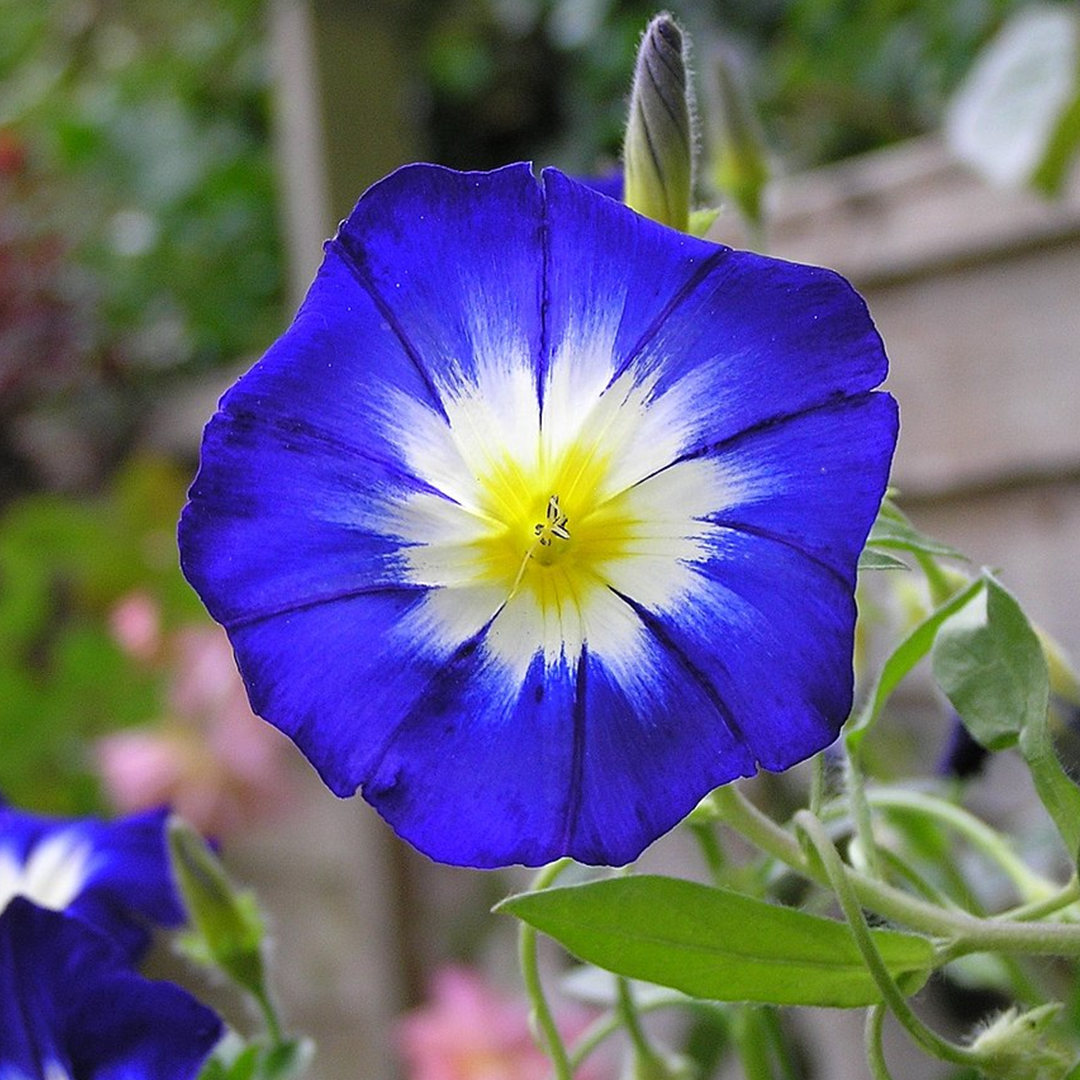
- Blue/white petals with a yellow center.
Uses: Splint building
Blackberry leaves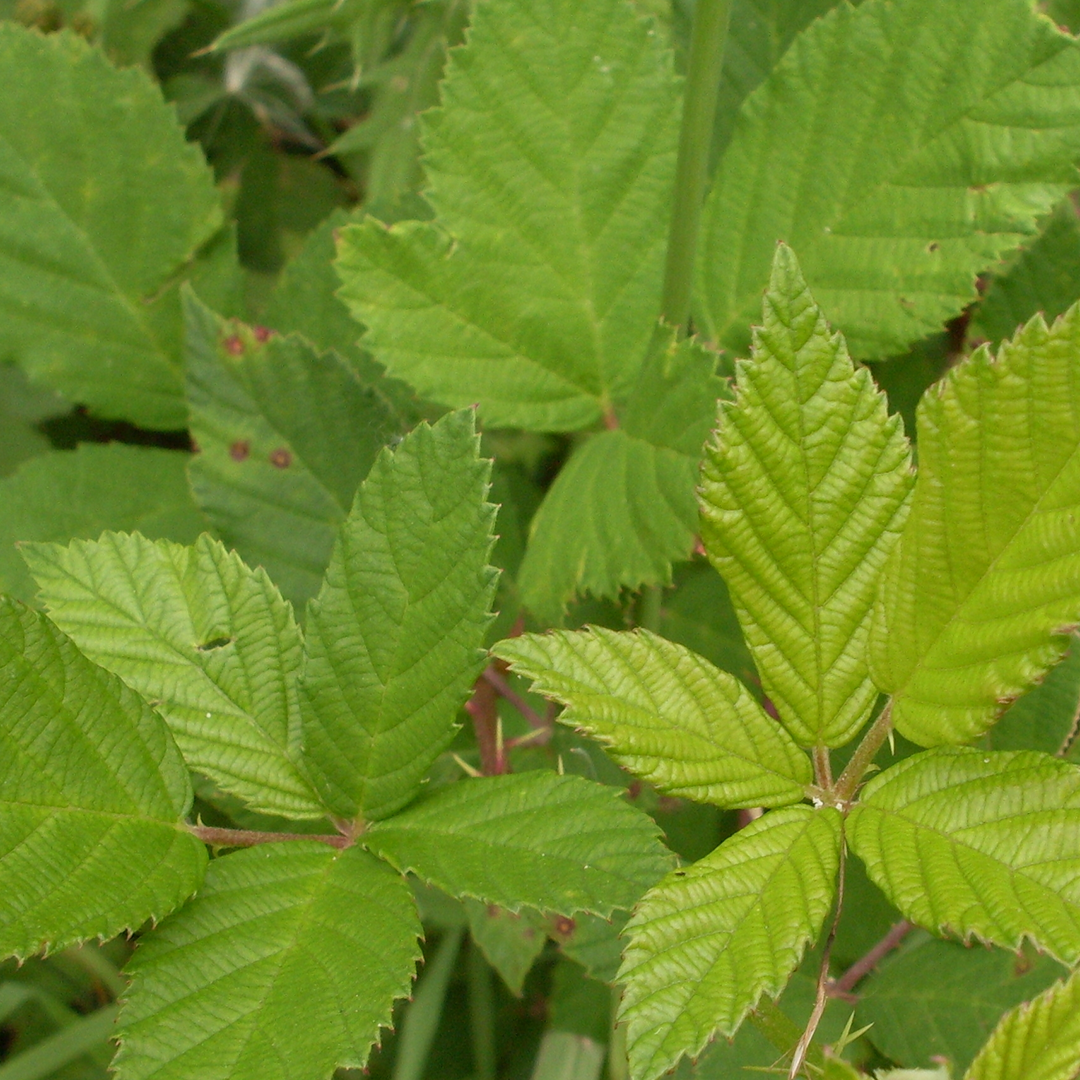
- Pinkish white 5-petal flowers, leaves carry a sharp scent.
Uses: Poultice for bee stings
Borage
- Purple flowers with soft leaves. Zesty scent, bitter taste.
Uses: Milk production, fever reduction, sore stomach/chest relief.
Bright-eye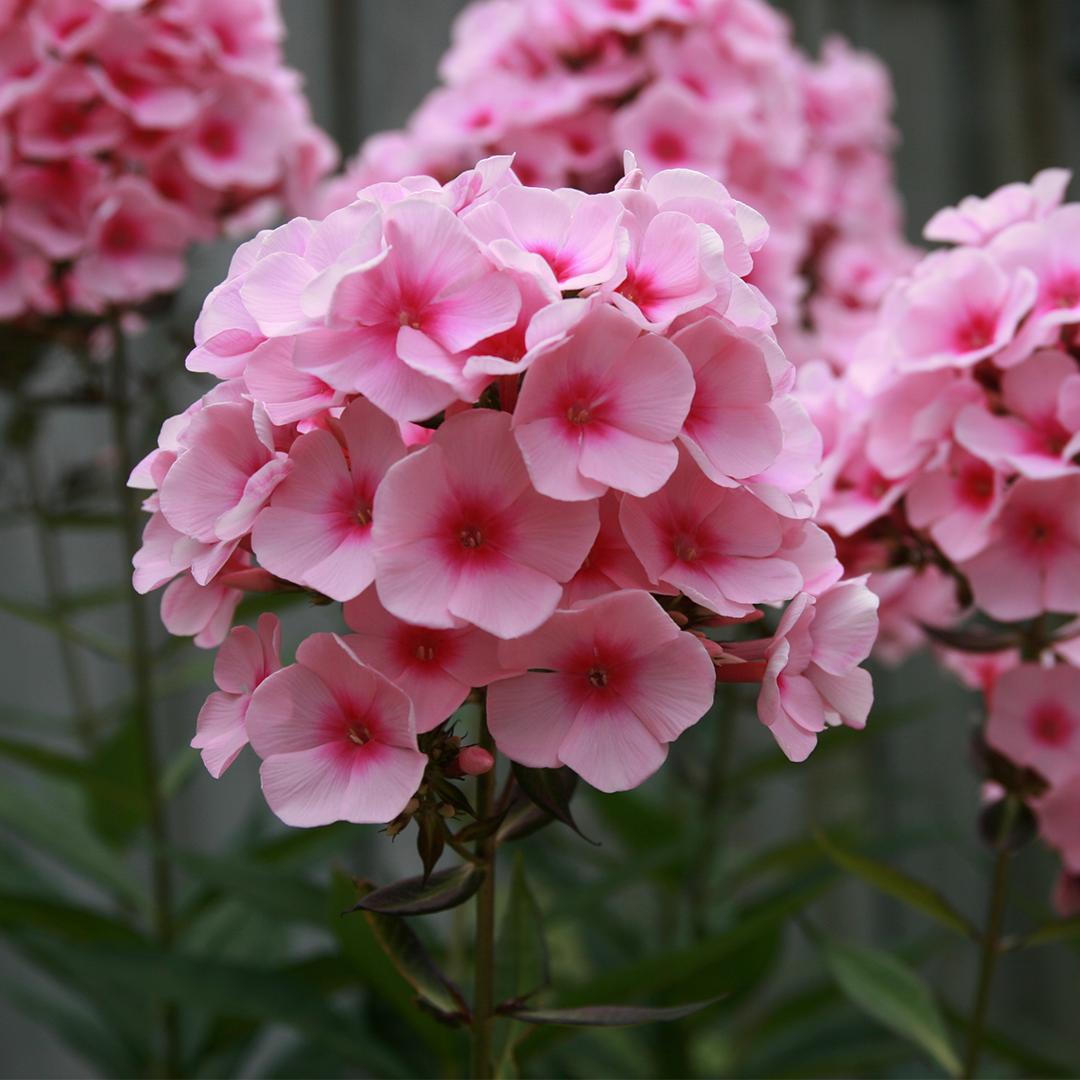
- Light pink petals with darker centers and smooth leaves.
Uses: Poultice, cough relief
Broom - Found only in Leafbare.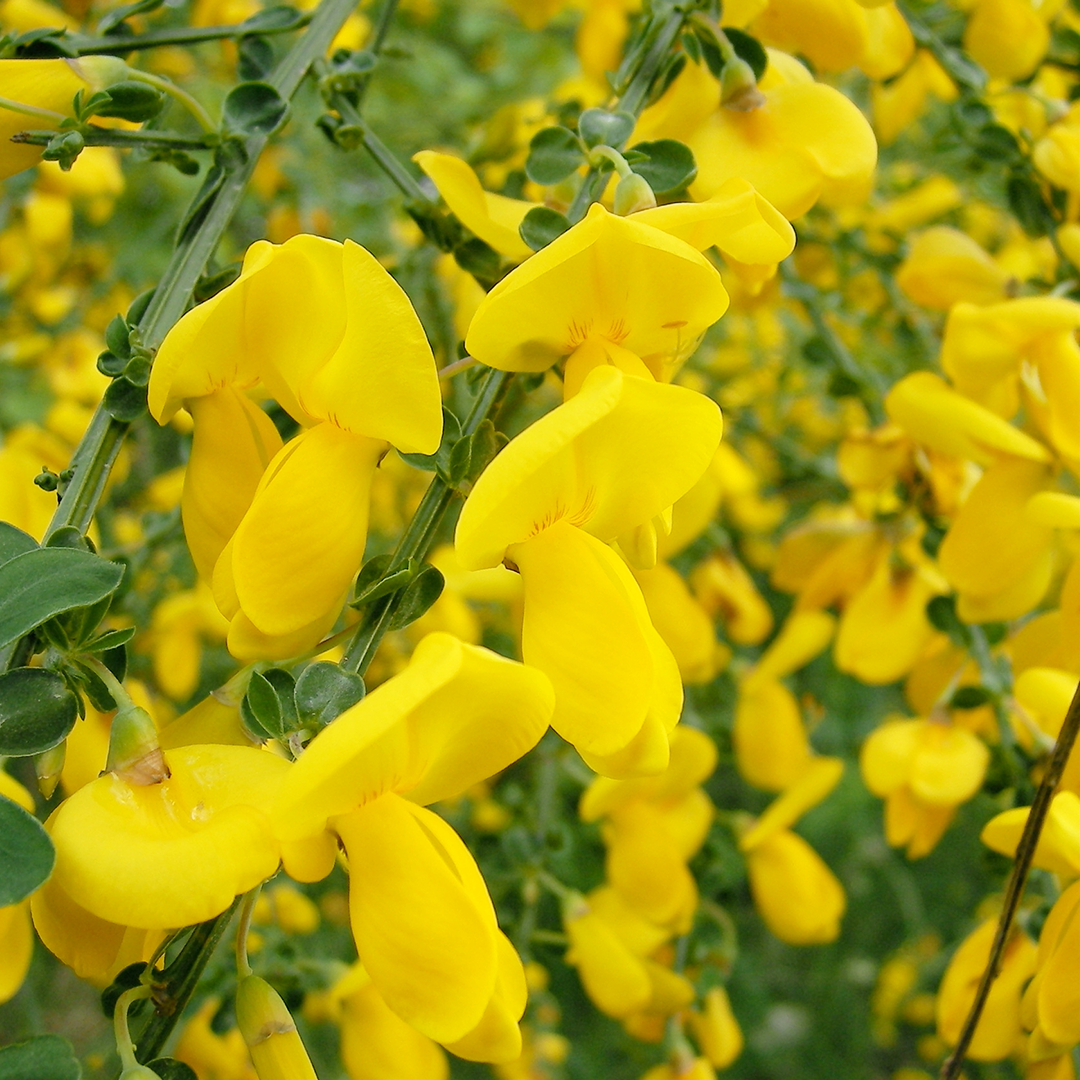
- Shrubs with small leaves and yellow flowers.
Uses: Poultice, broken legs/wounds
Burdock root
- Tall-stemmed thistle with dark leaves and black roots.
Uses: Bites/infections, numbing agent
Burnet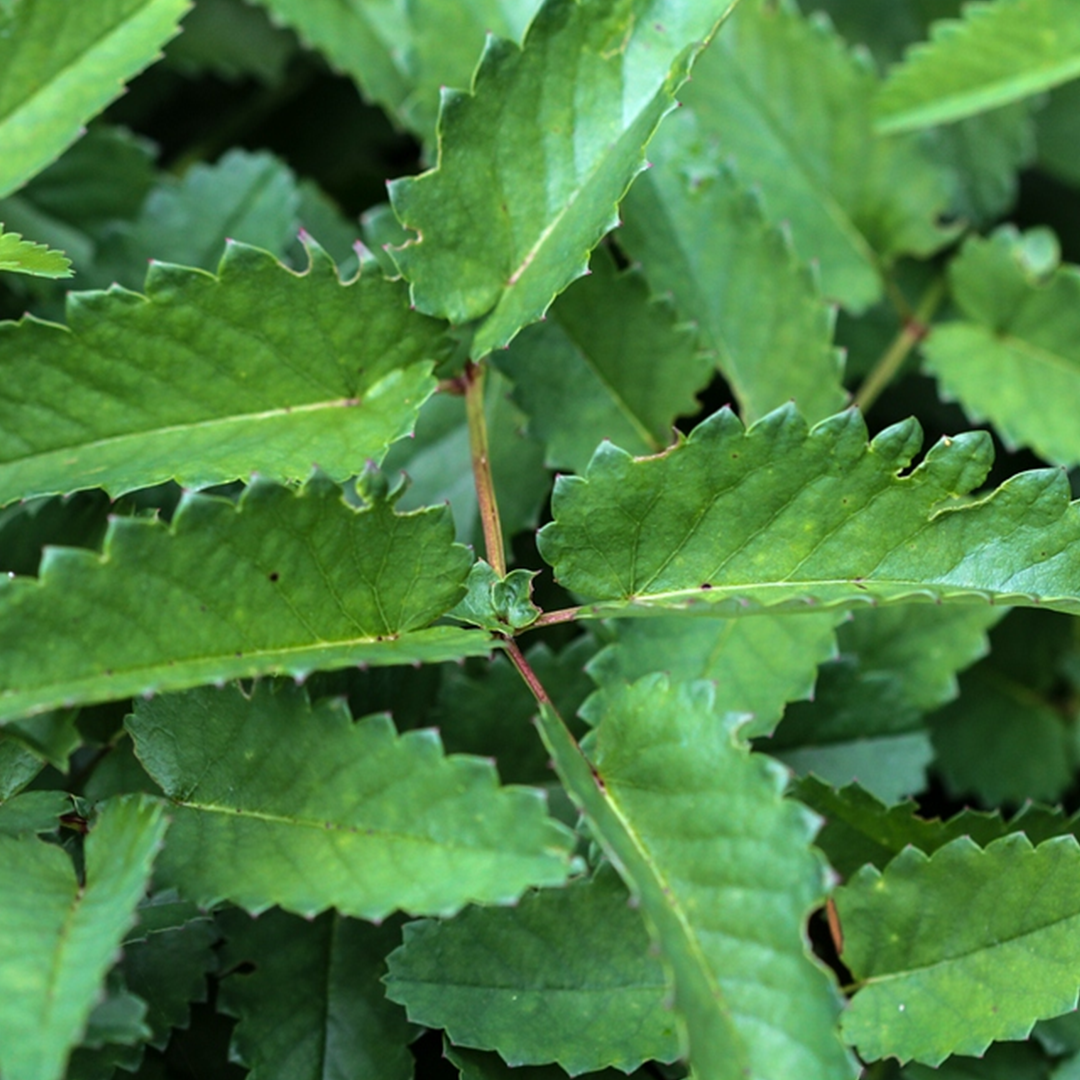
- Green basal leaves with spiky purple flowers.
Uses: Travel, strength, expecting queens
Catchweed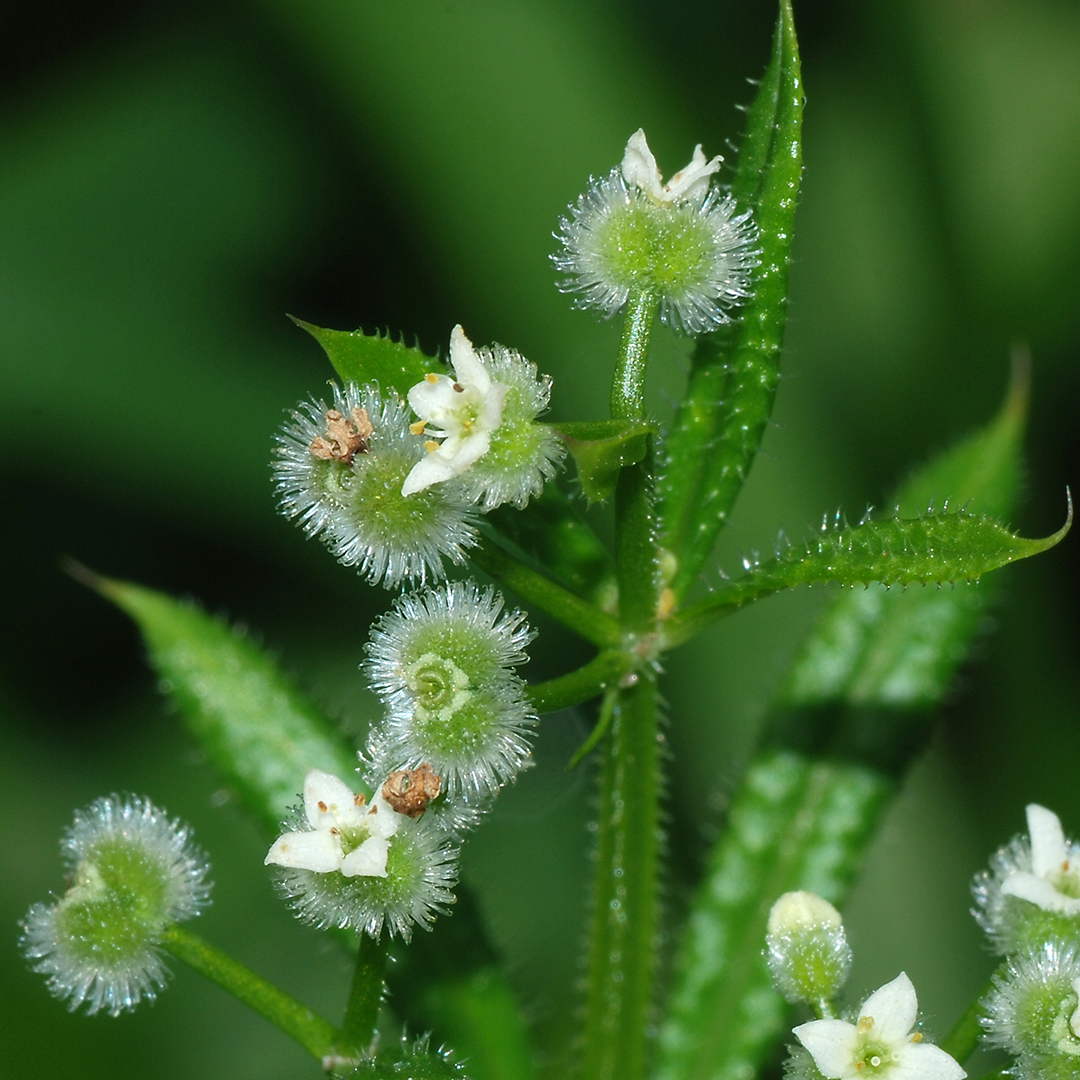
- Fuzzy green pods on long stems.
Uses: Holds poultice.
Catmint - Rare in every Clan. In SkyClan, scarce in every season except New-Leaf.
- Tall, leafy delectable plant with fuzzy purple flowers. Looks like nettles but doesn't sting.
Uses: Greencough/whitecough
Celandine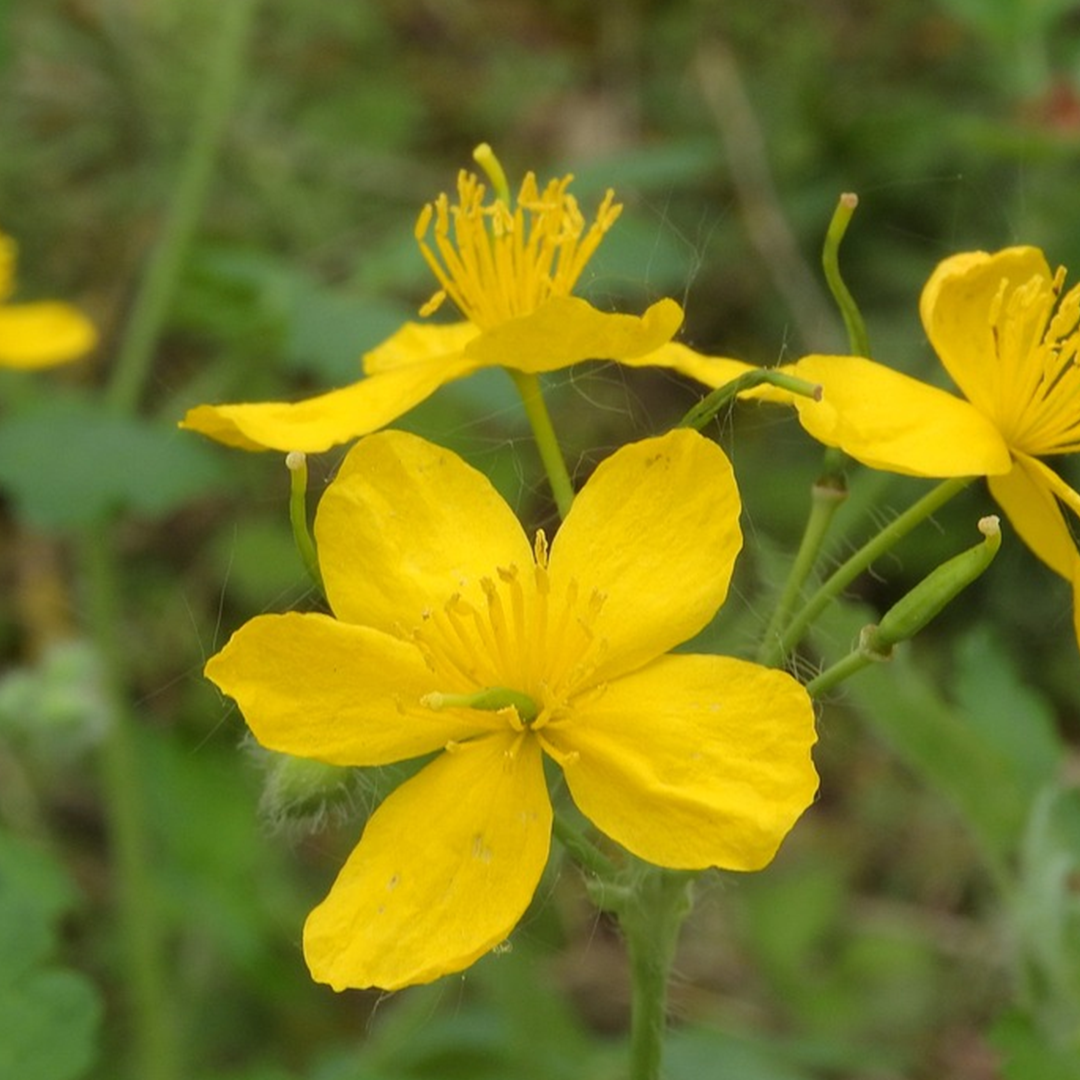
- Yellow four-petal flowers on fuzzy stems.
Uses: Eye soothing.
Chervil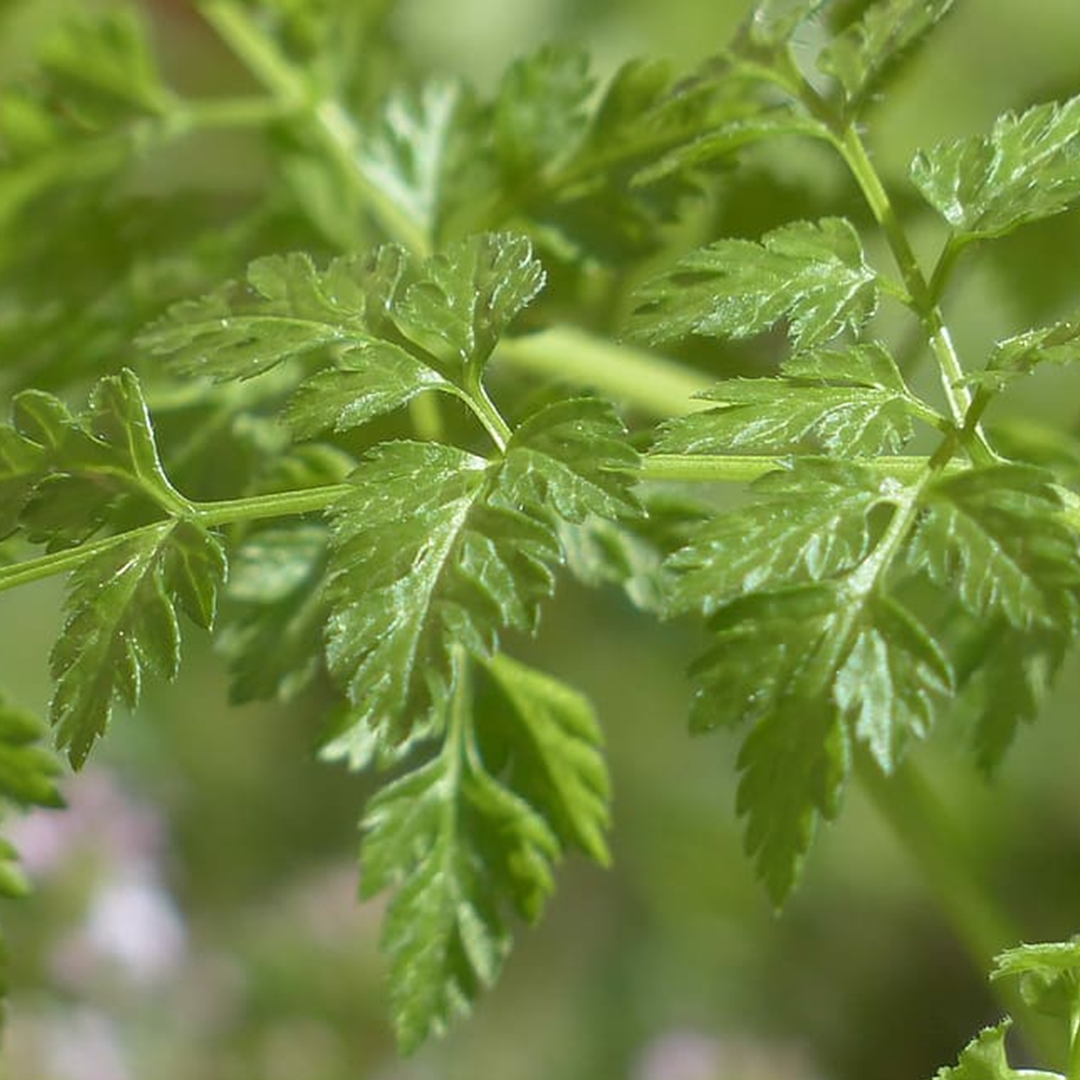
- Sweet smelling plant with large leaves and white flowers. Roots are knobby and acidic.
Uses: Stomach nausea, infected wounds
Chickweed Sunningrocks specifically.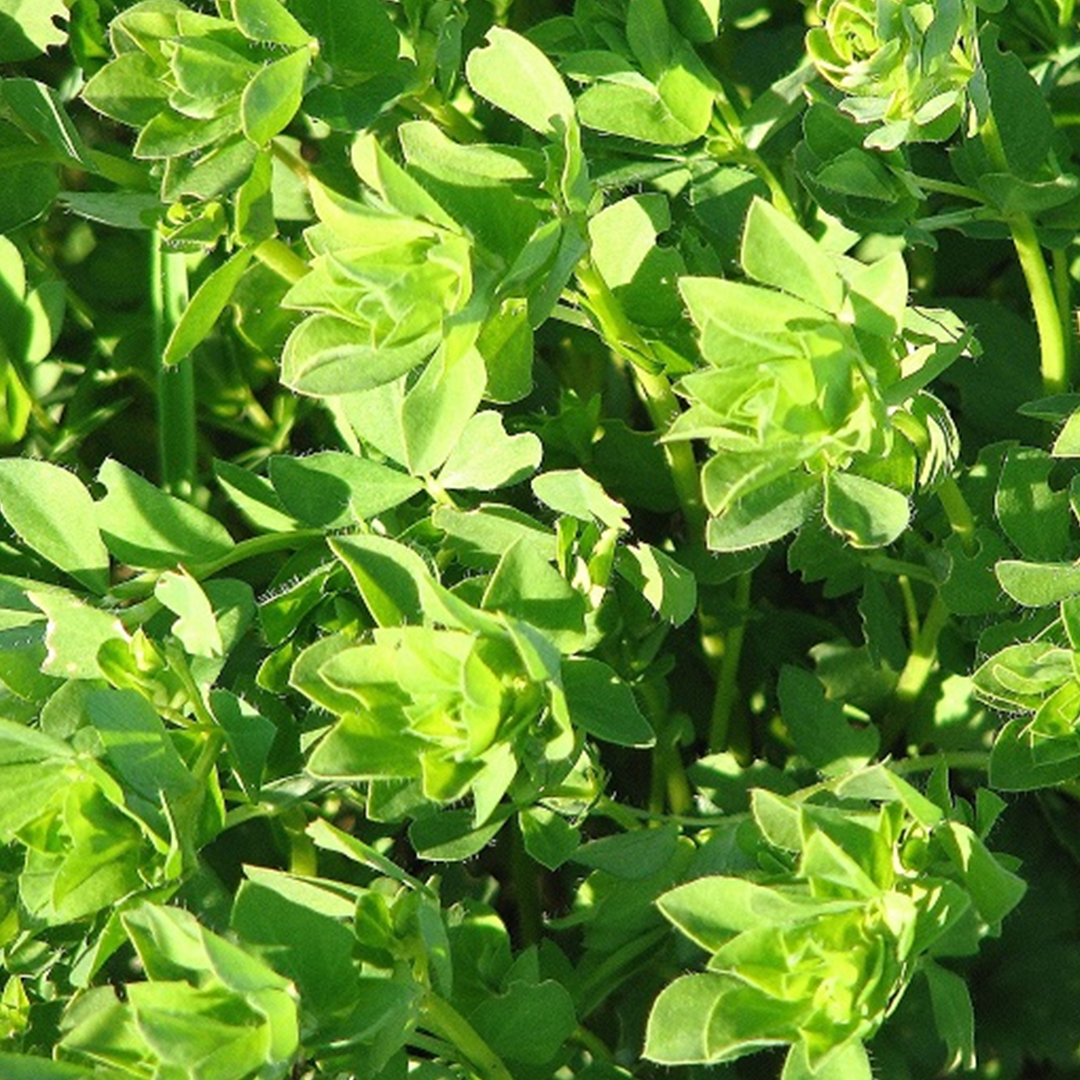
- Tall sprawling plant with almond shaped leaves.
Uses: Greencough
Cob Nuts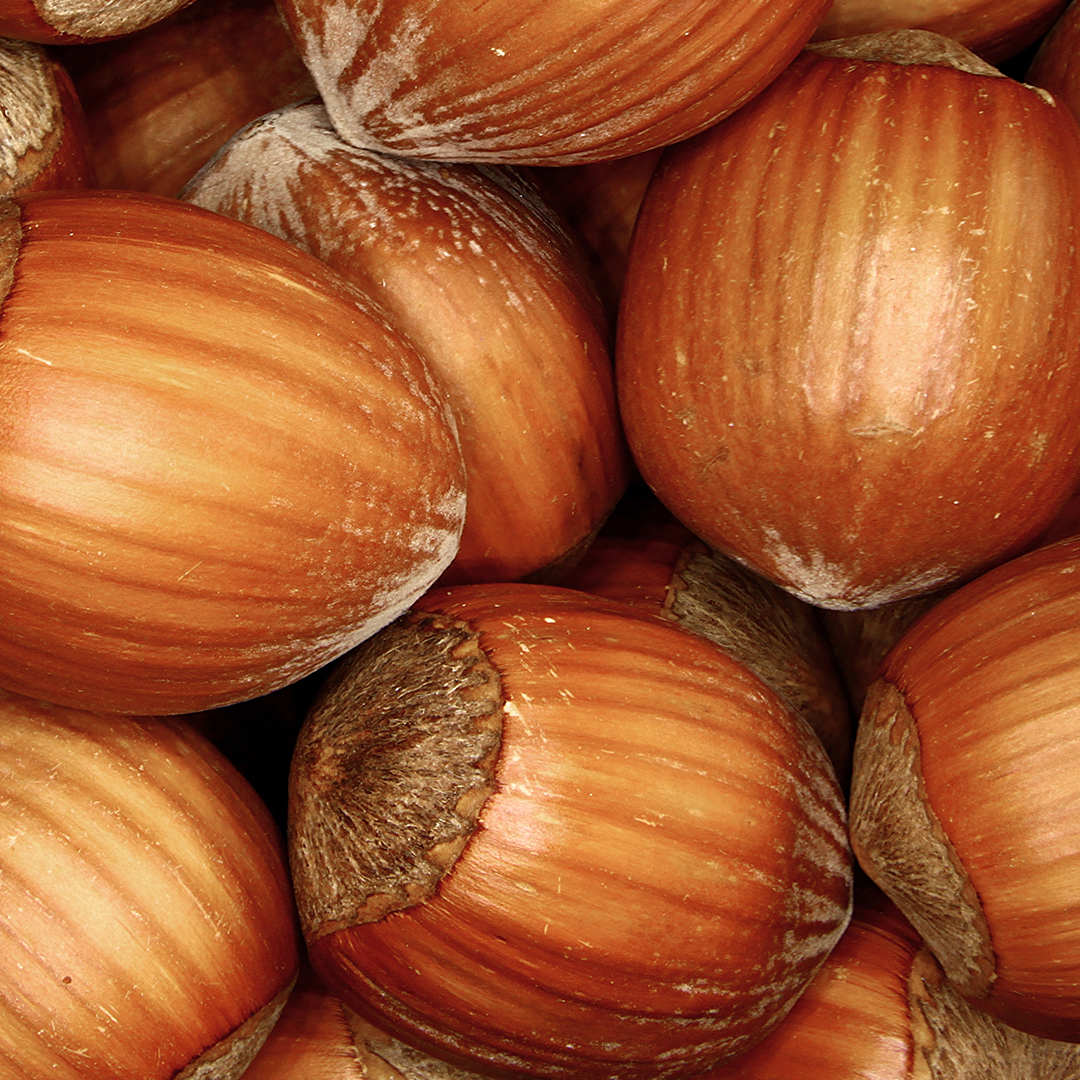
- Small round nut with a hard shell.
Uses: Ointments, Food...
Cobwebs
- Shiny strands of spun webs.
Uses: Stops bleeding, splints, holds poultice
Coltsfoot Found only in New-Leaf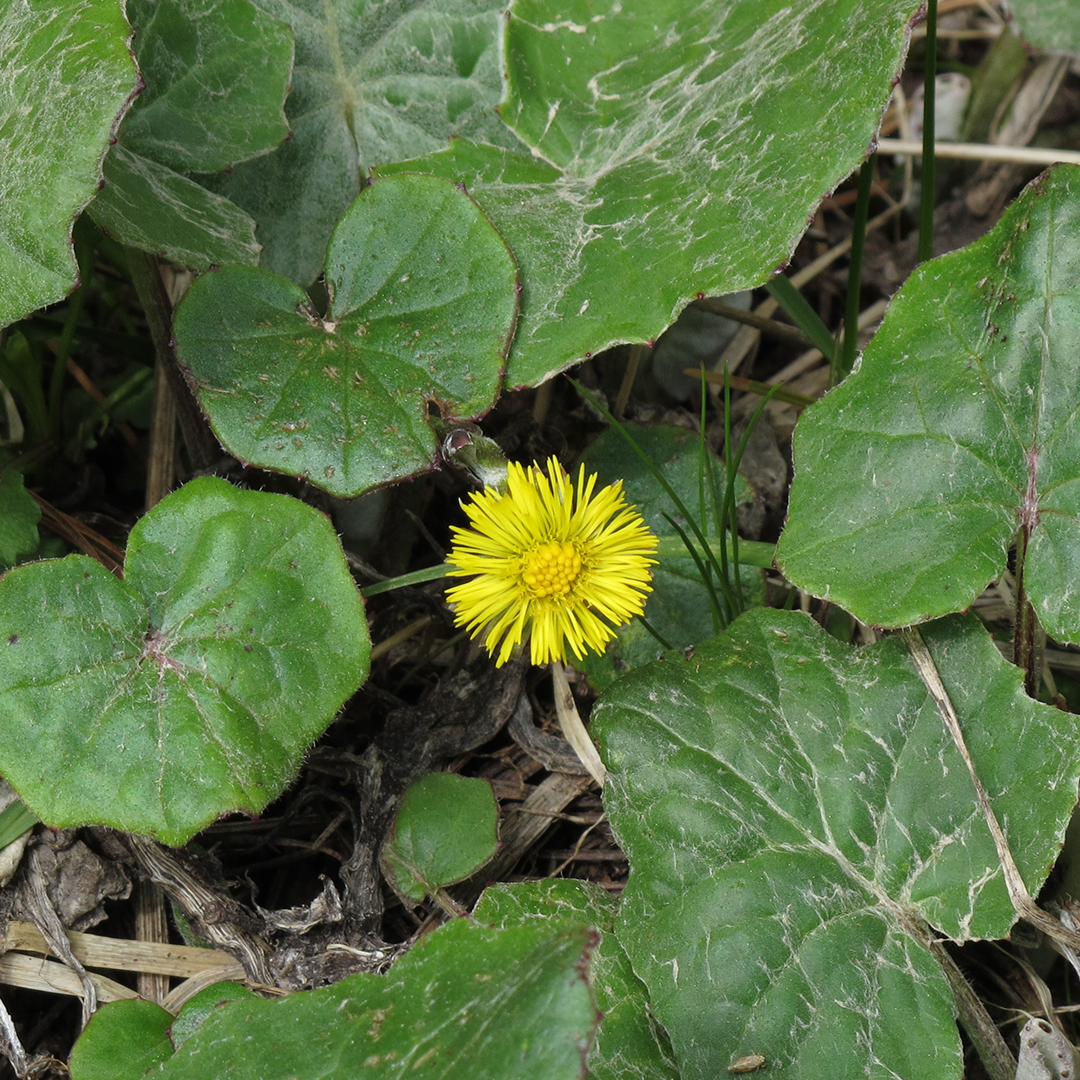
- Fragrant plant with yellow and white flowers, easily confused with dandelions.
Uses: Eases breathing/coughing
Comfrey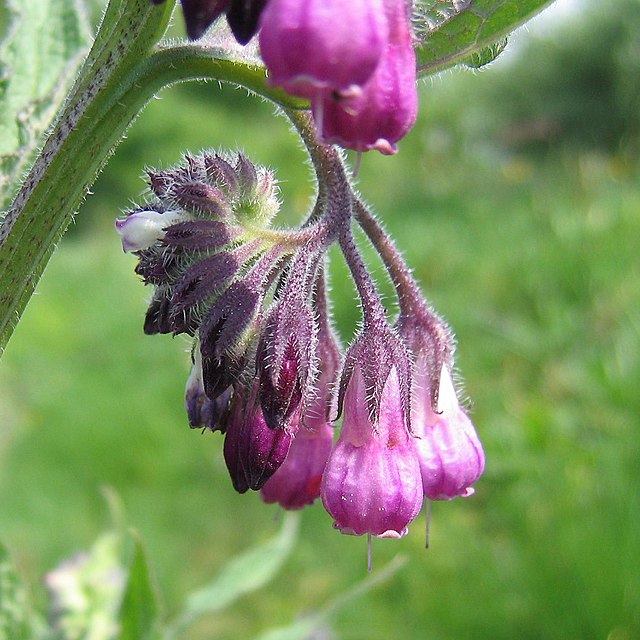
- Long, large leaves and fat black roots. Resembles Catmint.
Uses: Broken bones, wounds, burns, claws, anti-inflammation. stiffness
Daisy leaf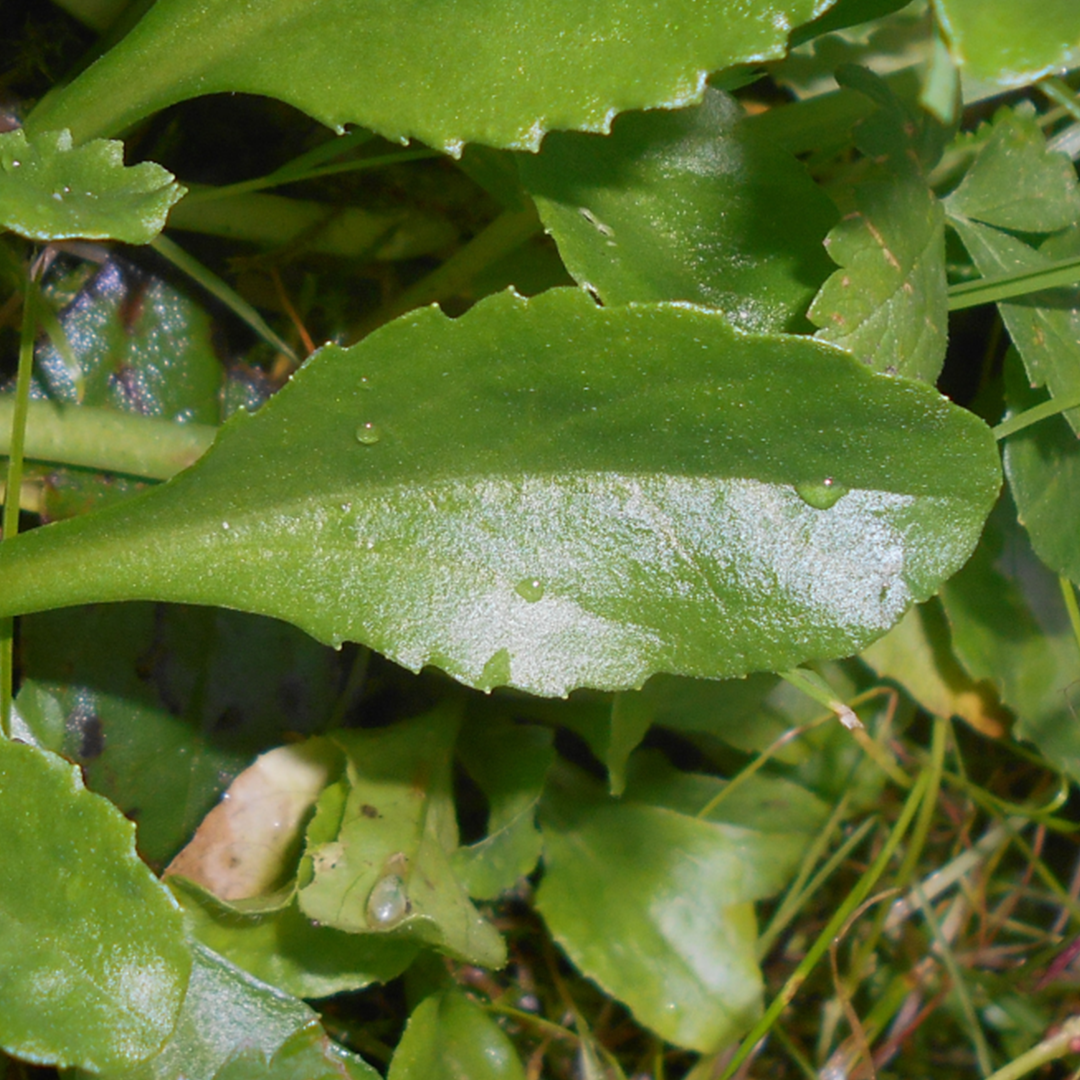
- Dark oval shaped leaves with a fuzzy stem and bitter taste
Uses: Joint pain, back pain, travel
Dandelion
-Yellow flowering plant with hollow stems
Uses: Fever reduction, pain killer, meadow saffron poisoning
Dock/dock leaf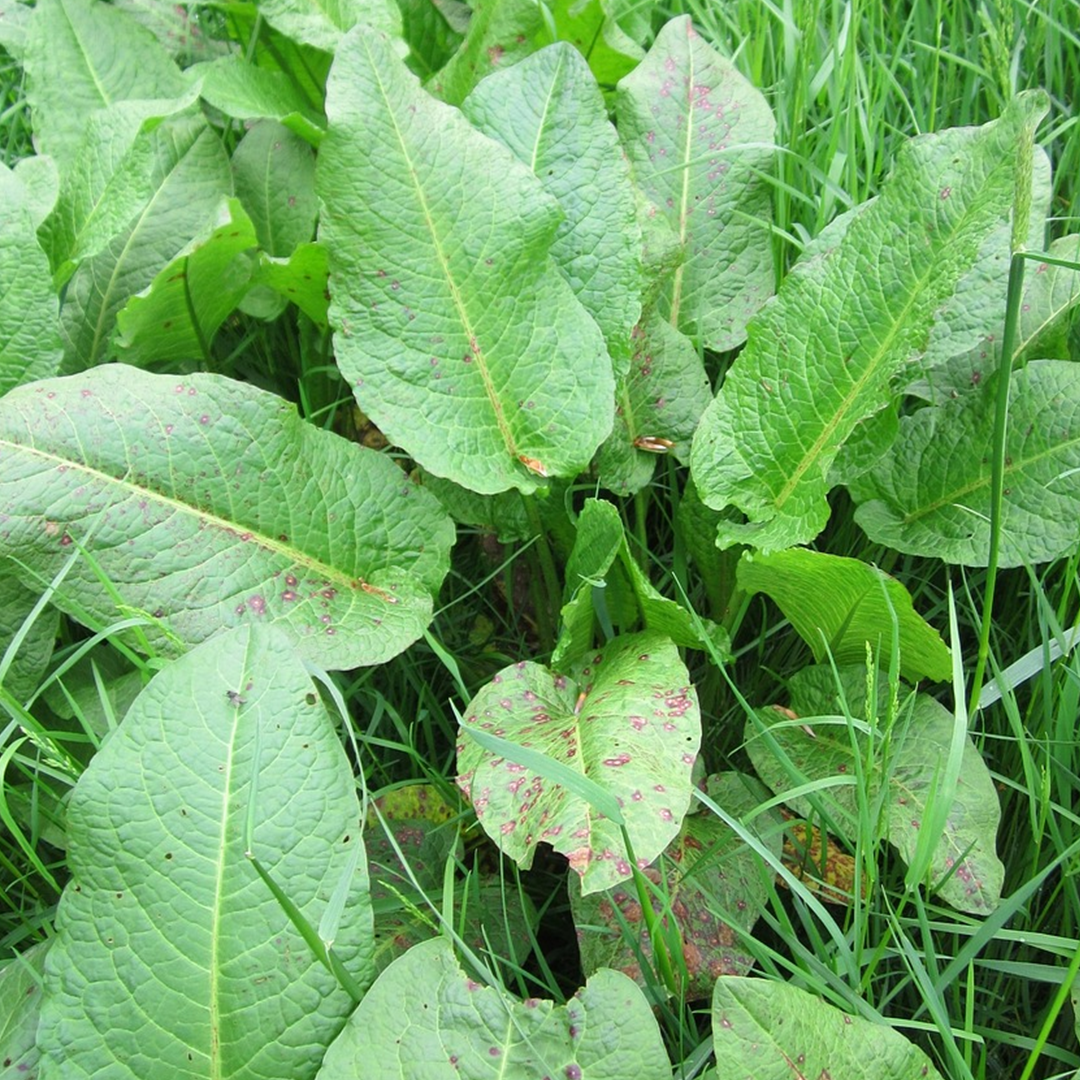
- Soft, parge-leafed plant with a tangy smell and taste
Uses: Sore pads, training
-
E F G H
-
Elder leaves
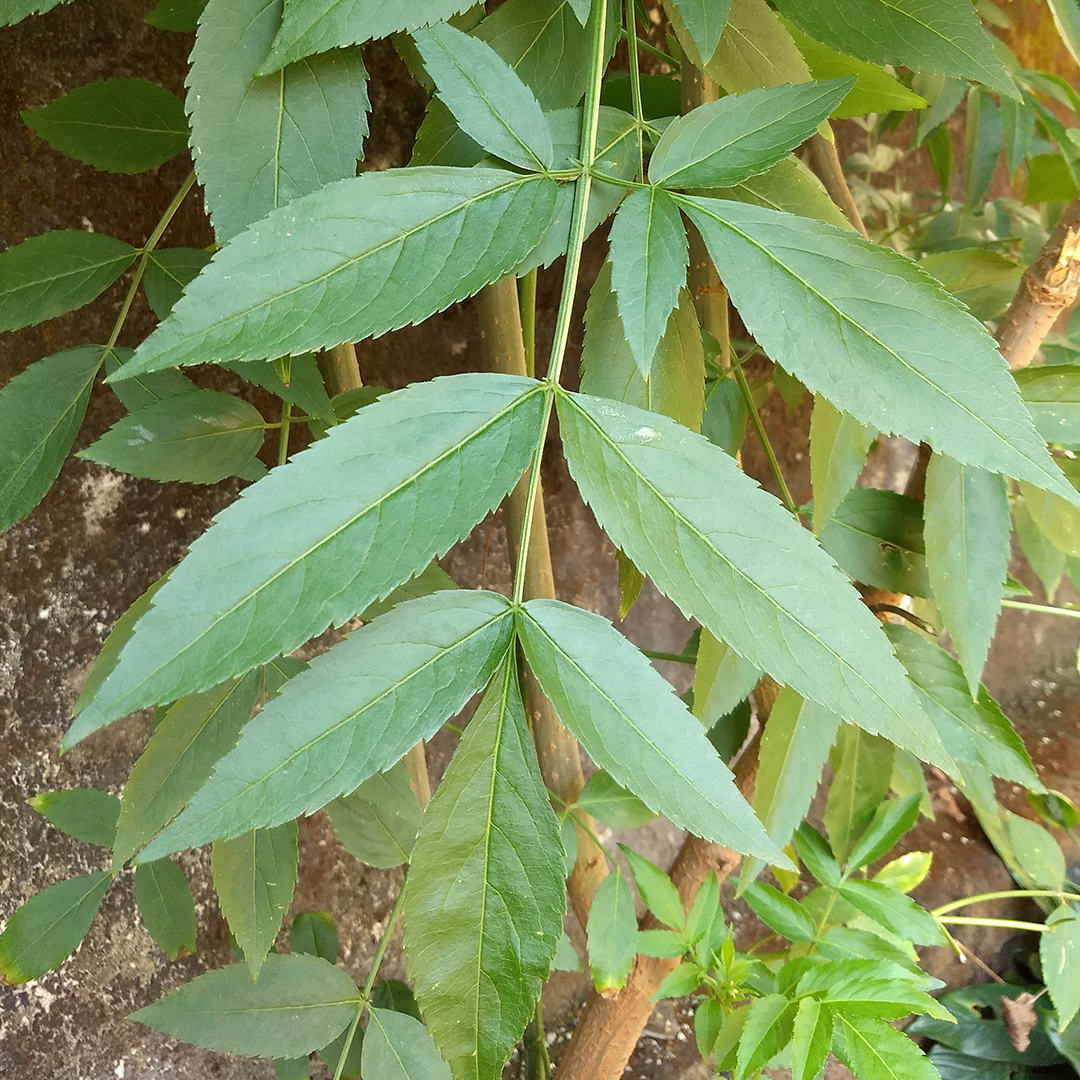
- Found on elder brush, clean scent
Uses: Poultice, sprains and muscles
Feverfew - Alongside water
- Scalloped leaves with yellow and white flowers. Sharp scent
Uses: Reduces body temp, aches and pains, headaches
Hawkweed RARELY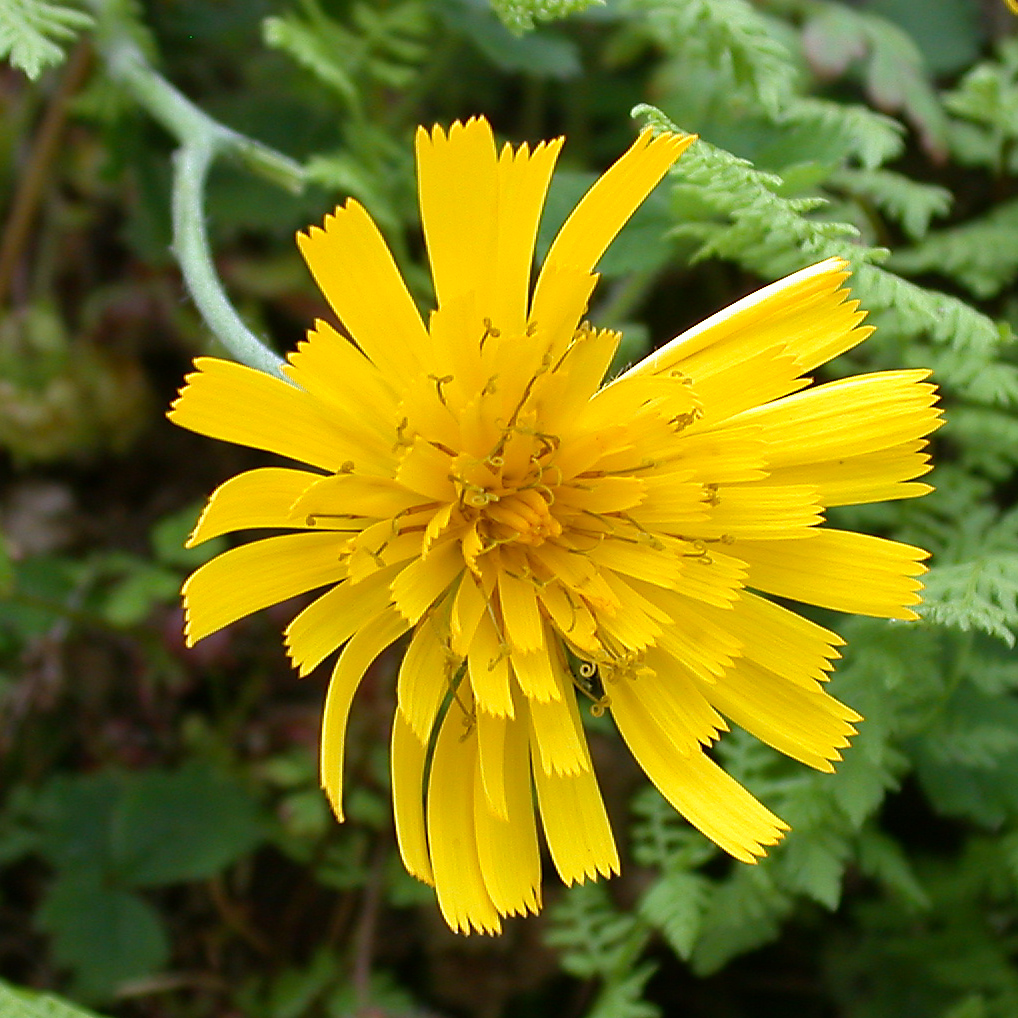
- Small rough stem with yellow/orange flowers and hair leaves
Uses: Less effective catmint
Honey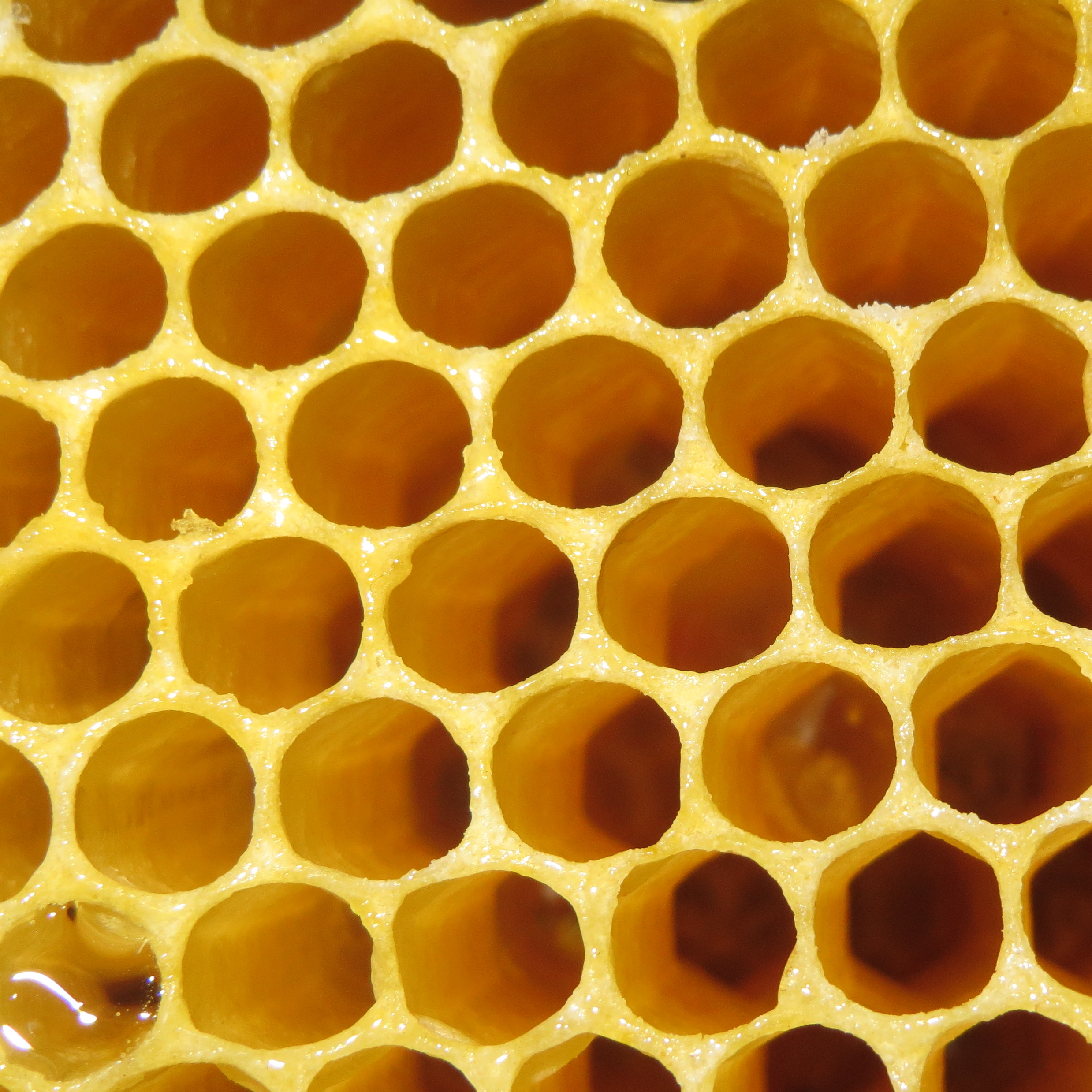
- Golden-sweet sticky liquid
Uses: Throat relief, soothes infections, draws poison
-
I J K L
-
Juniper berries

- Purple-blue berries on bushes with spiky leaves. Pungent smell that leaves when they're shriveled up
Uses: Bellyaches, coughs, strength, breath relief, calming
Lamb's ear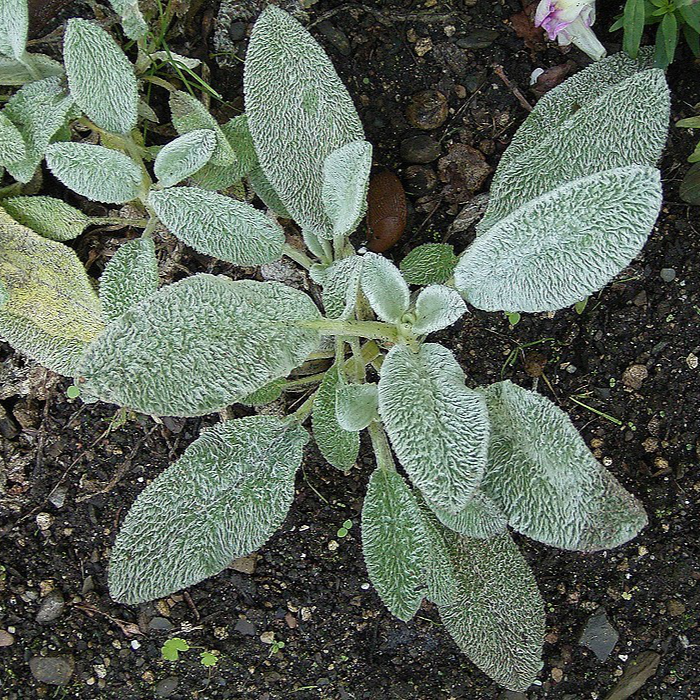
- Soft fuzzy plant with silver-green leaves
Uses: Strength
Laurel leaf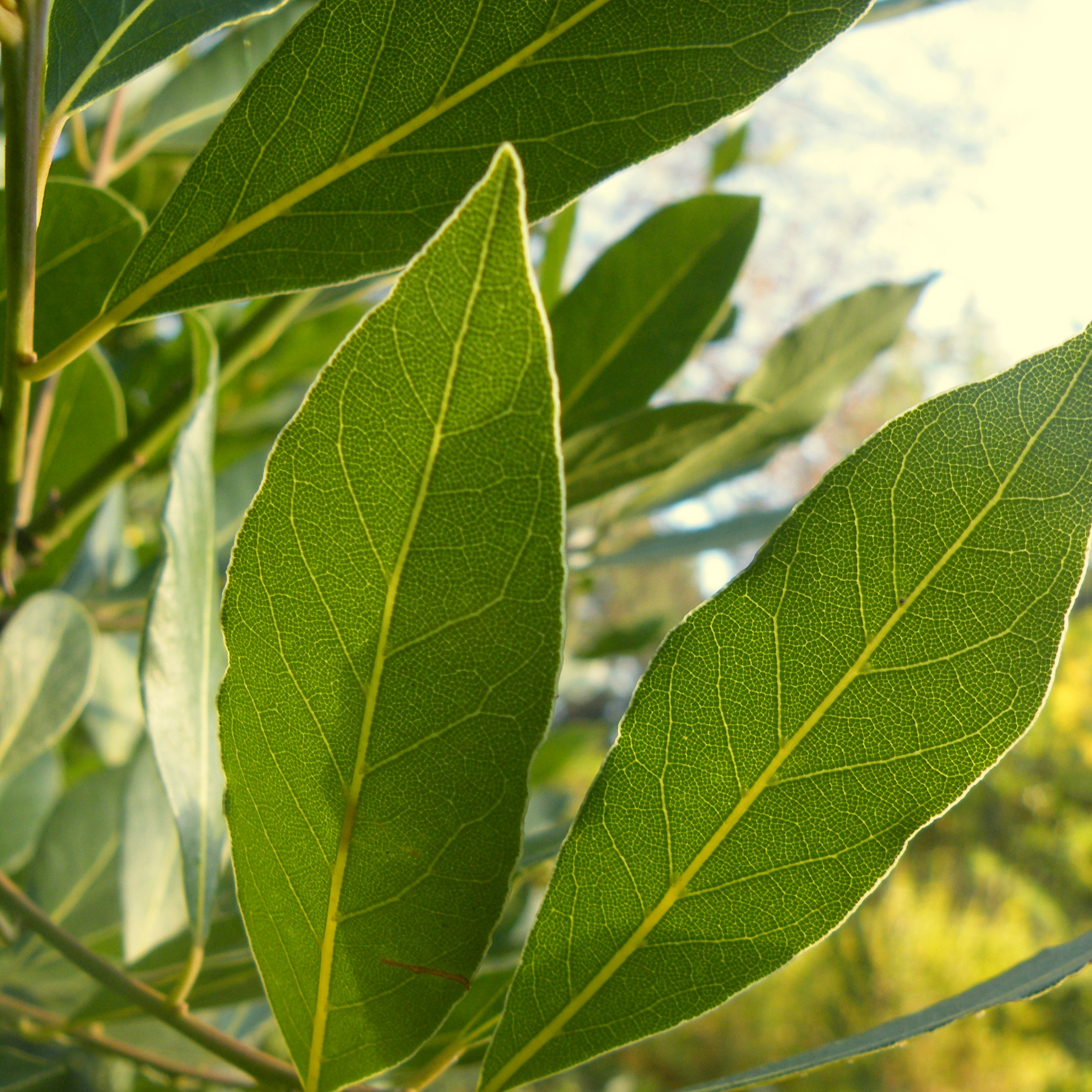
- A dense low-growing plant with smooth leaves
Uses: Wraps
-
M N O P
-
Mallow
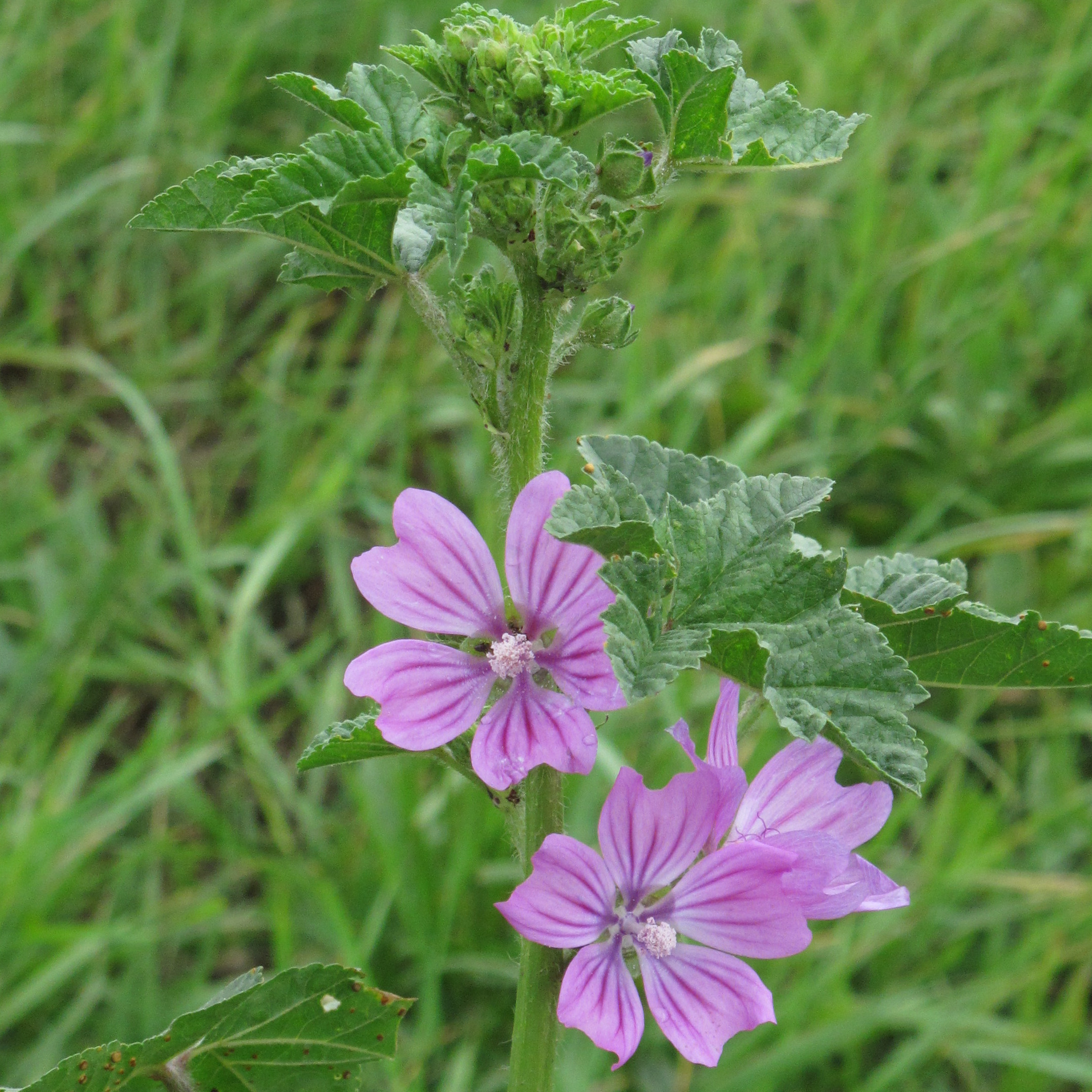
- Large sweet fuzzy leaves with a bitter taste
Uses: Bellyache, coughs
Marigold
- Bright orange flowers. During newleaf they smell sweet, in leaf-fall they smell like nettles
Uses: Poultice, infections, minor bleeding, stiff joints
Mint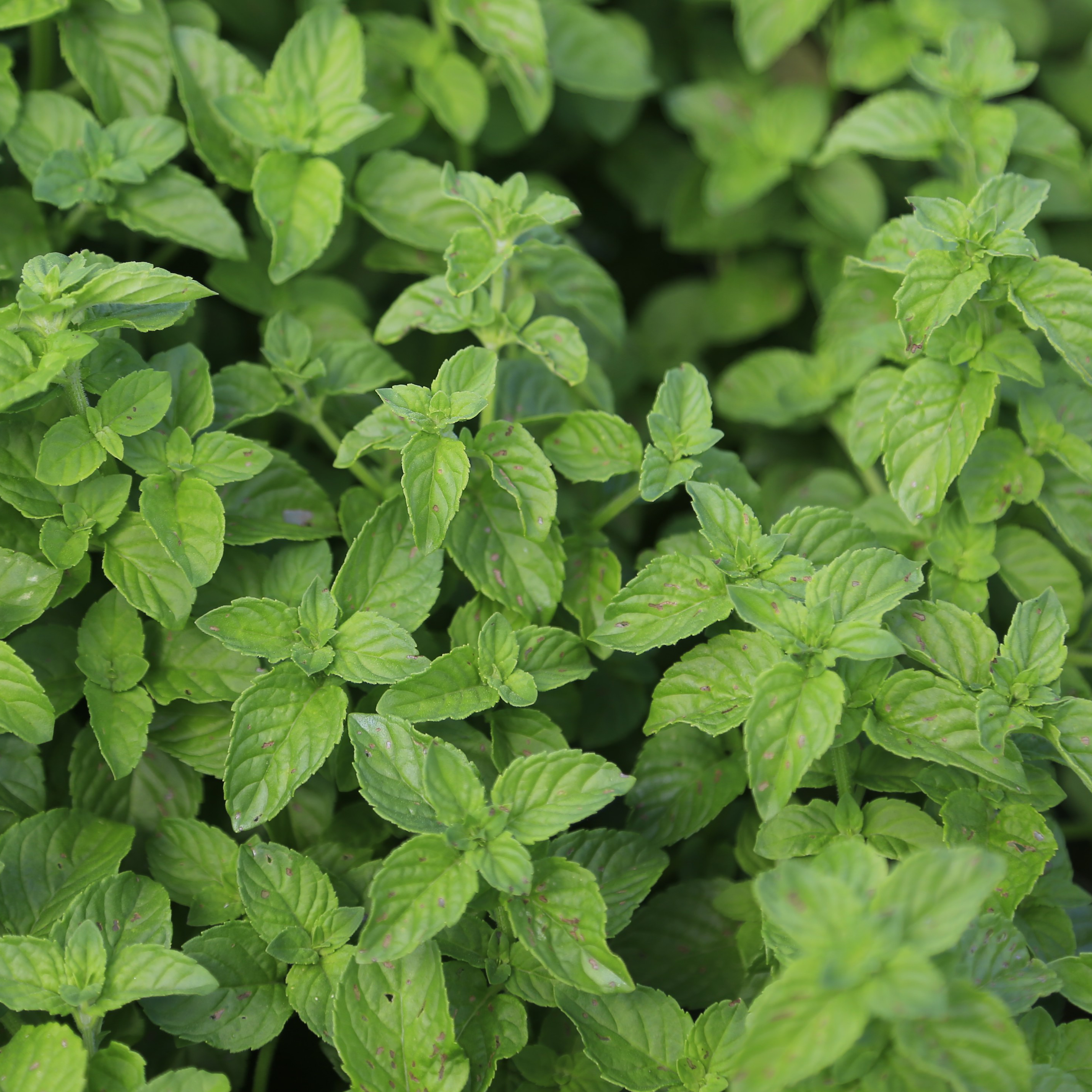
- Downy serrated leaves with small purple and white flowers
Uses: Removes death scent
Moss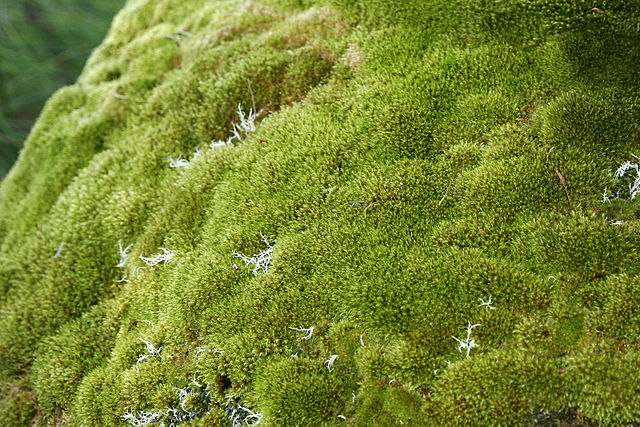
- Spongey soft green shrub
Uses: Bedding, soaks bile, honey, or water, pressure for bleeding
Mouse bile
- Foul smelling waste
Uses: Ticks and fleas
Oak leaf
-Broad brightly colored leaves with scalloped edges
Uses: infection
Parsley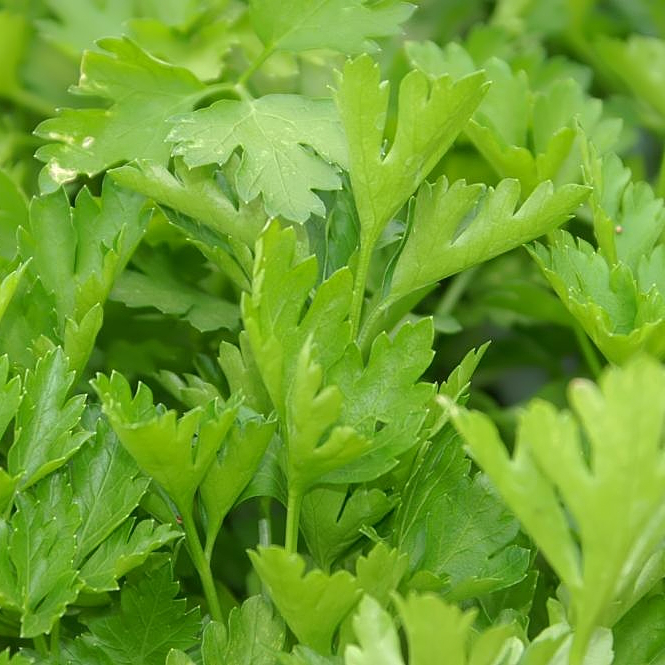
- Long-stemmed plant with ragged crinkly leaves and sharp scent
Uses: Bellyache, stops milk
Poppy seeds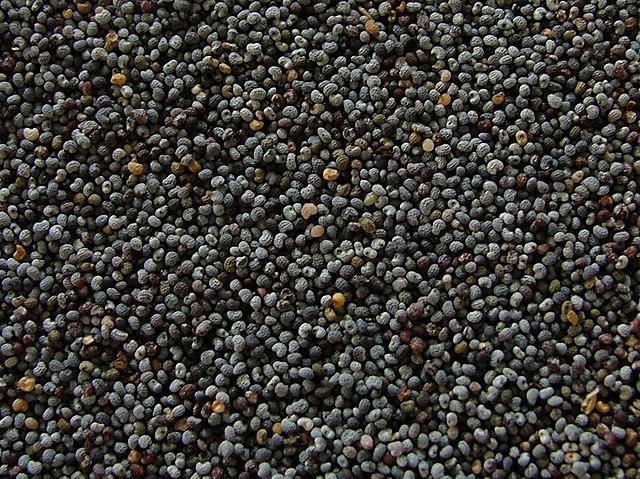
- Tiny round black seeds shaken from a poppy flower
Uses: Stress, pain
-
Q R S T
-
Ragweed
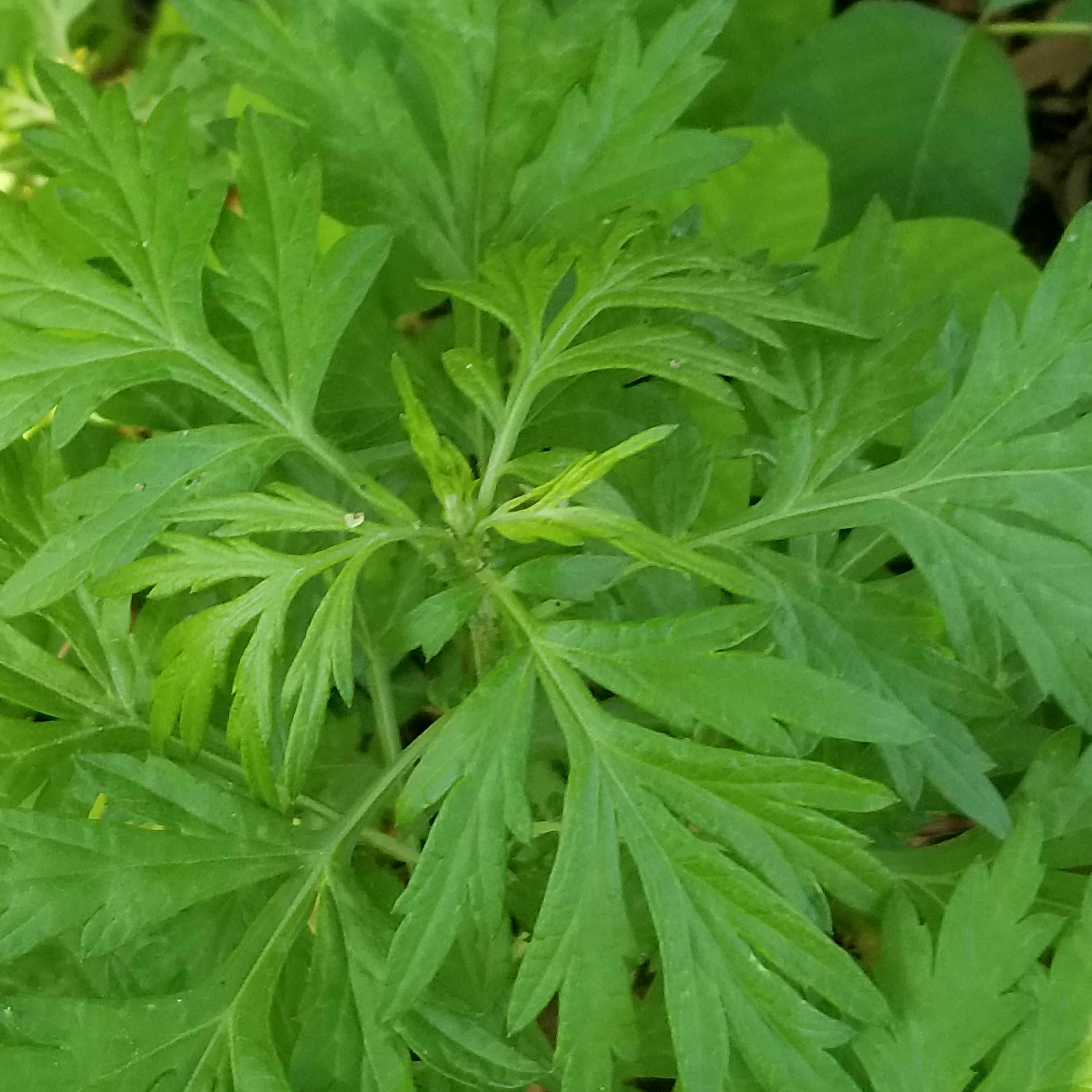
- Tall yellow flowers with a pungent smell
Uses: strength
Ragwort leaves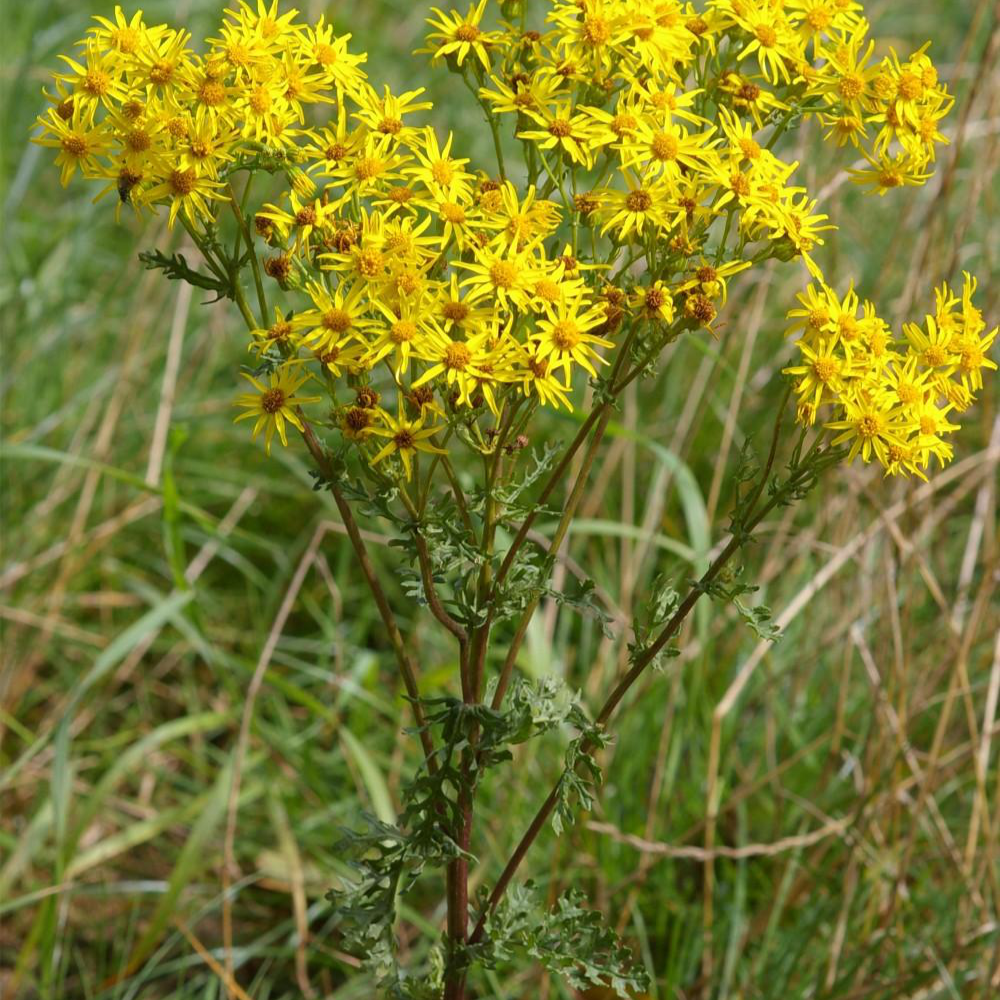
- Tall shrub with yellow flowers, foul taste
Uses: Joints, strength
Rosemary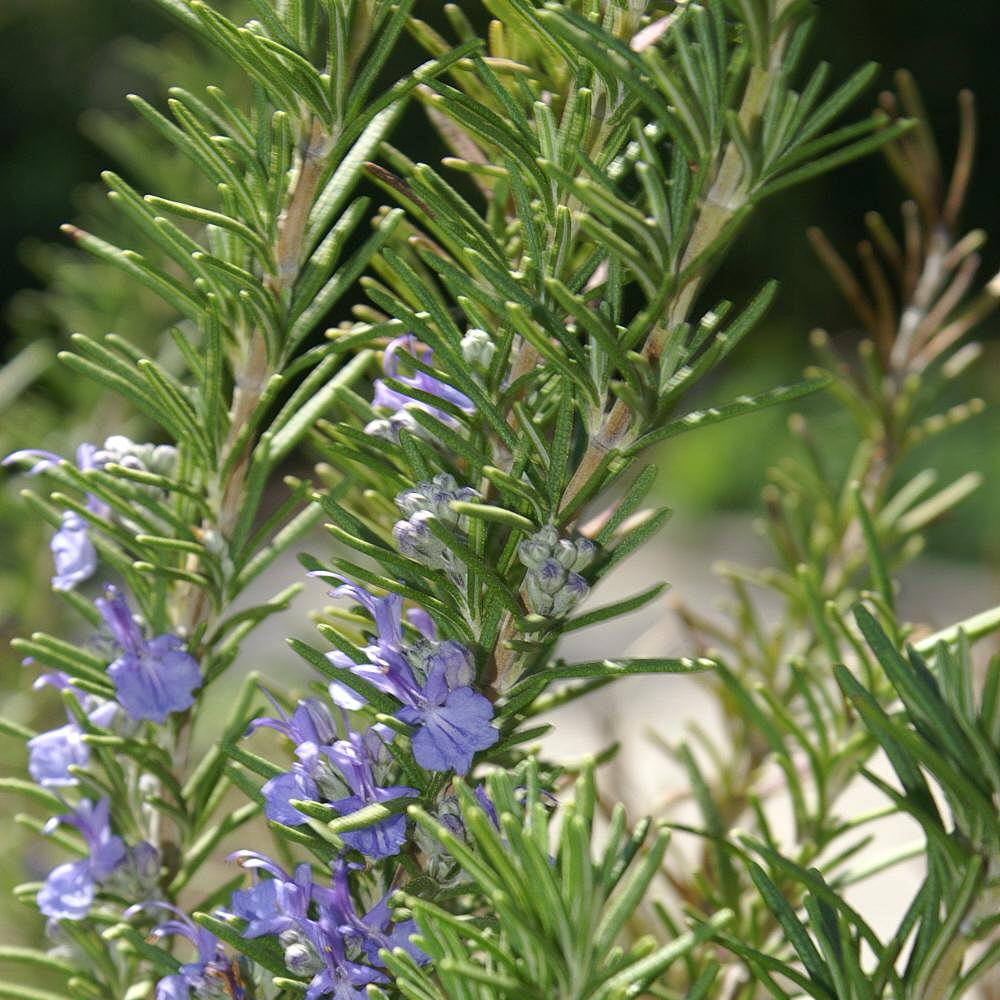
- Tall needlelike plants with a pungent scent
Uses: Death scent
Rush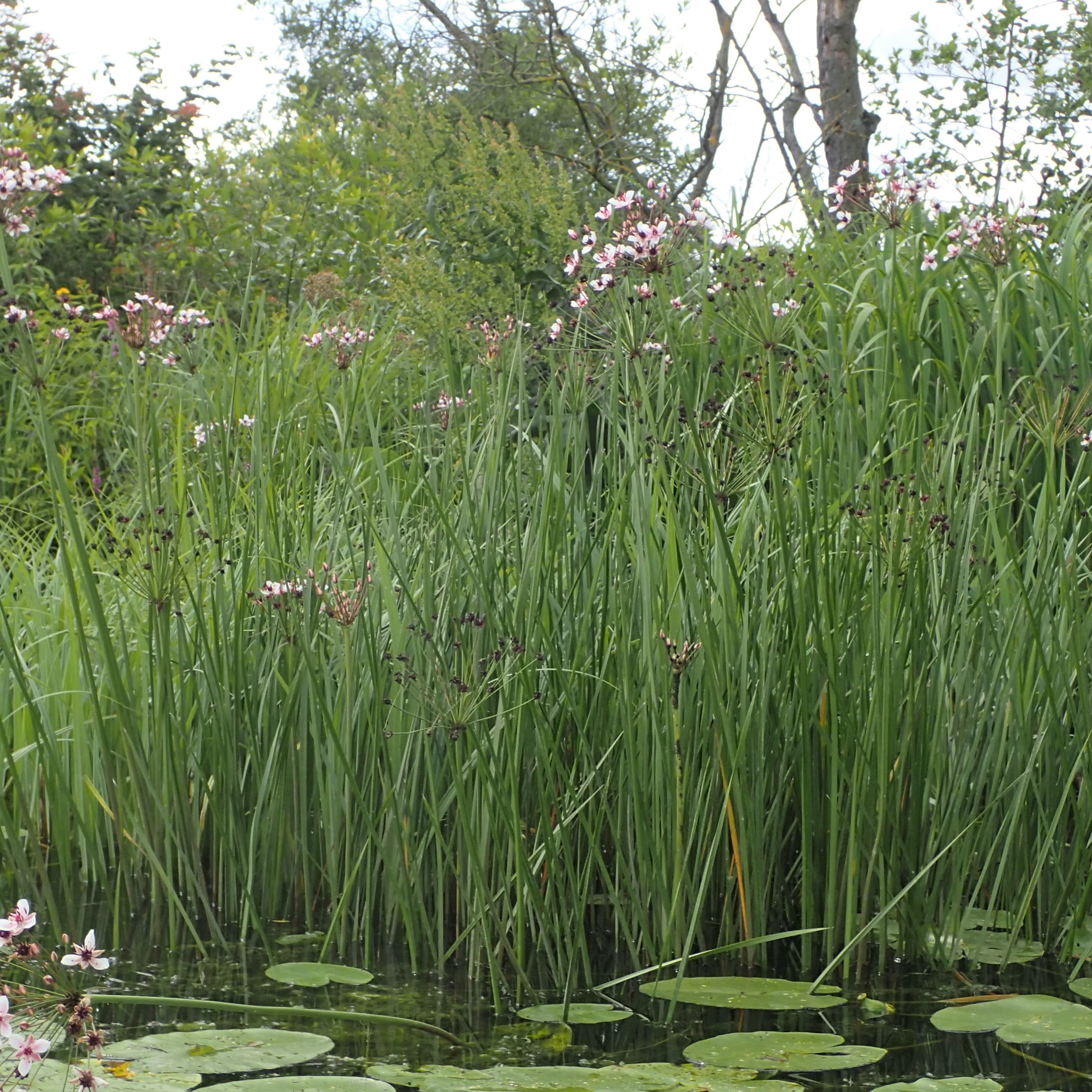
- A tall, narrow dark green plant with lavender flowers
Uses: Bind bones
Sticks
- Do u need a description for this. fr
Uses: Broken bones, kitting, carry moss
Stinging nettle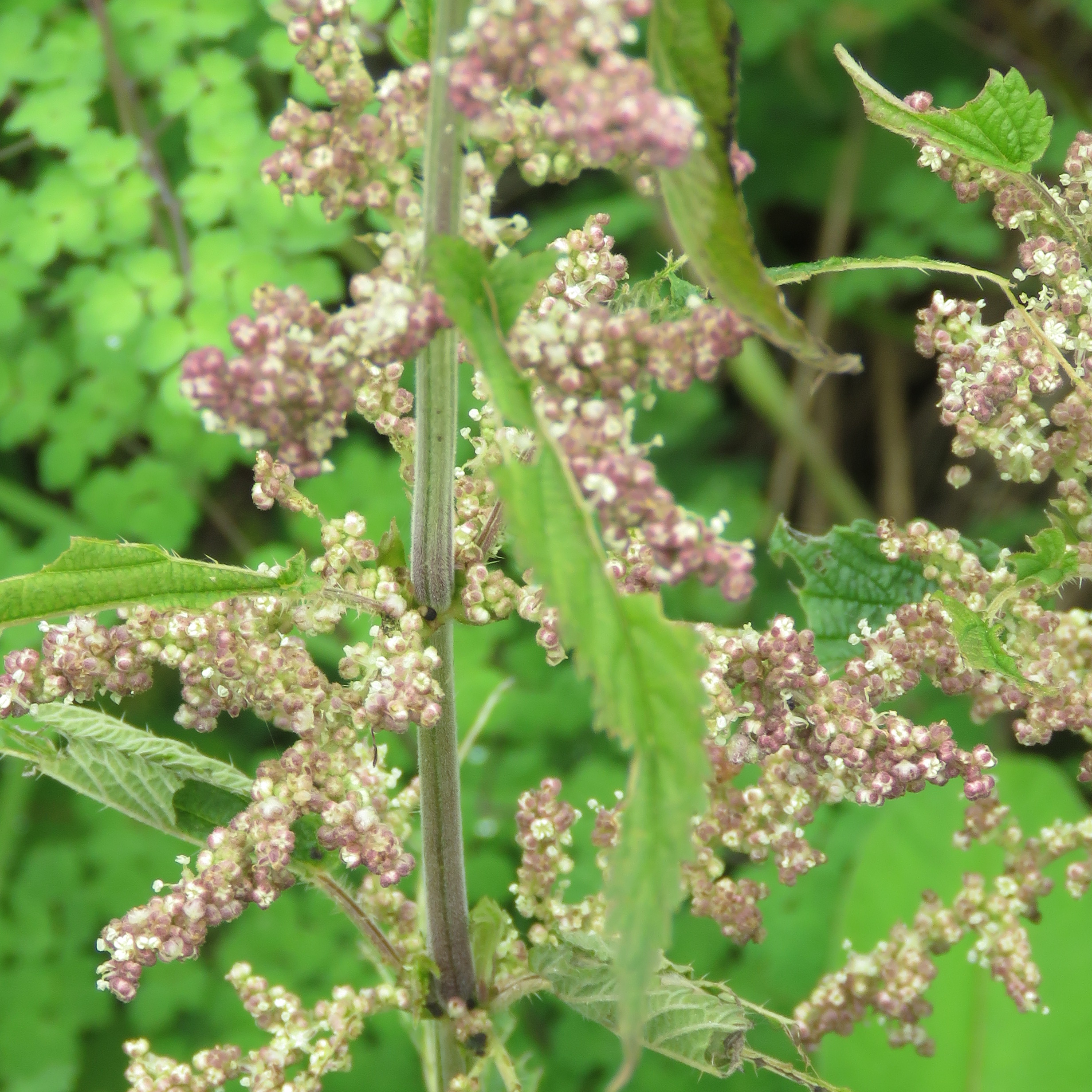
- Large stalks with spiny seeds
Uses: Remove poison, infection, swelling, sprains and broken bones
Tansy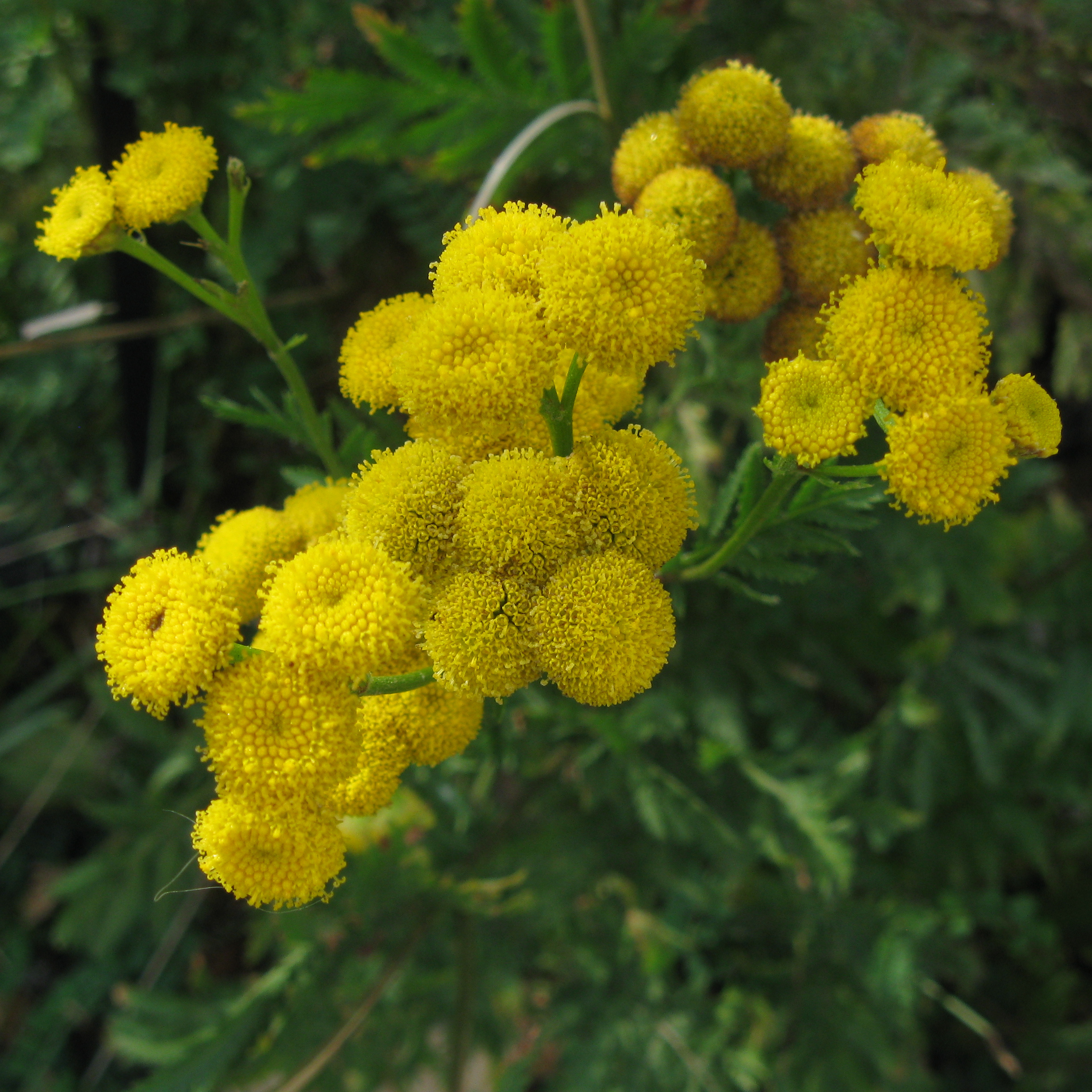
- Small curly feathery leaves and round yellow flowers. Strong and sweet scent
Uses: Coughs, sore throats, wounds, greencough preventative, disguising scents
Tree sap
- Honey-to-orange liquid that hardens easily, smells like the tree its harvested from
Uses: coughs
Thyme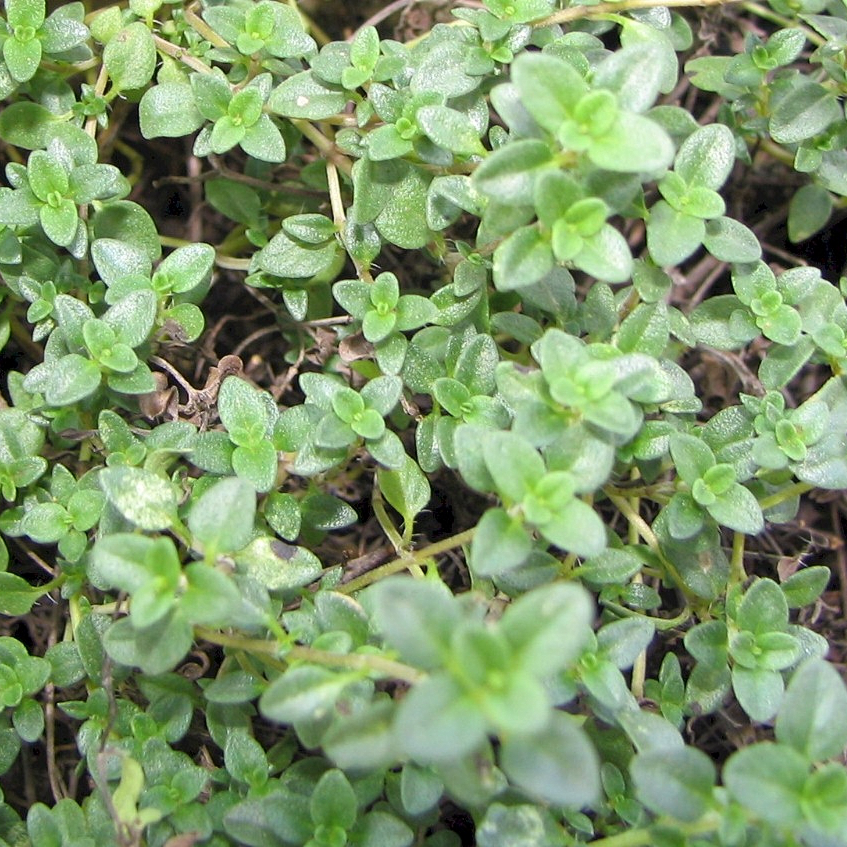
- Small green leaves with a woody stem
Uses: Anxiety, shock, coughs, colds, indigestion -
U V W X Y Z
-
Watermint
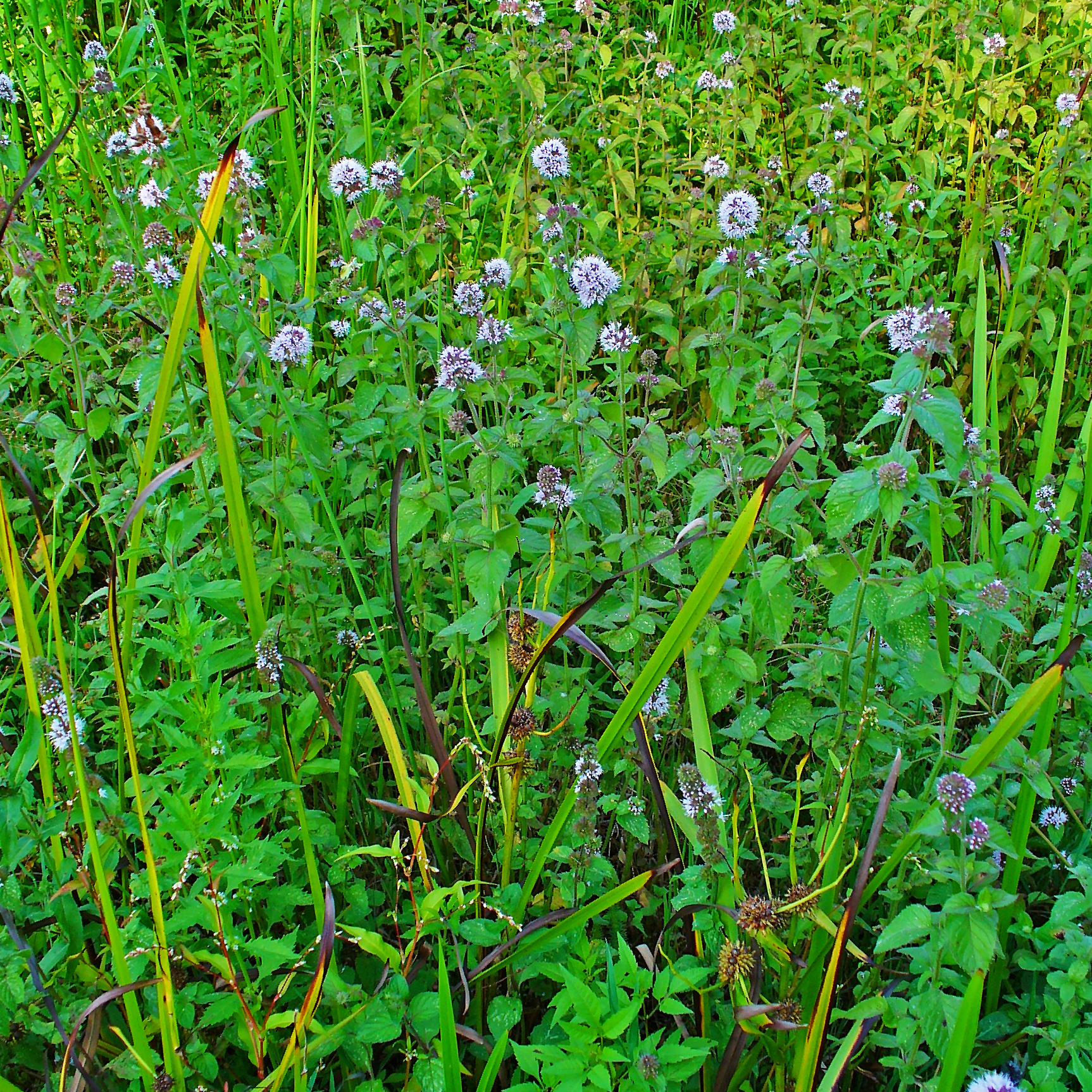
- A tall green plant with oval-shaped leaves, purple flowers and spiky stems
Uses: gas-bellyaches, death scent
Wild garlic
- Extremely sharp scent, grown in patches with dark green leaves
Uses: Rat bites
Willow herb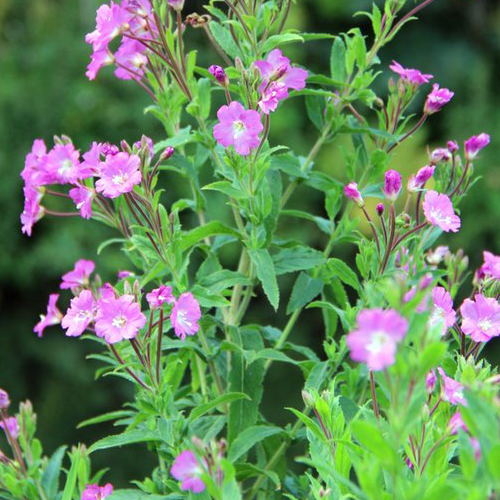
- Scrubby and hardy plant with tiny purple flowers
Uses: unknown
Wintergreen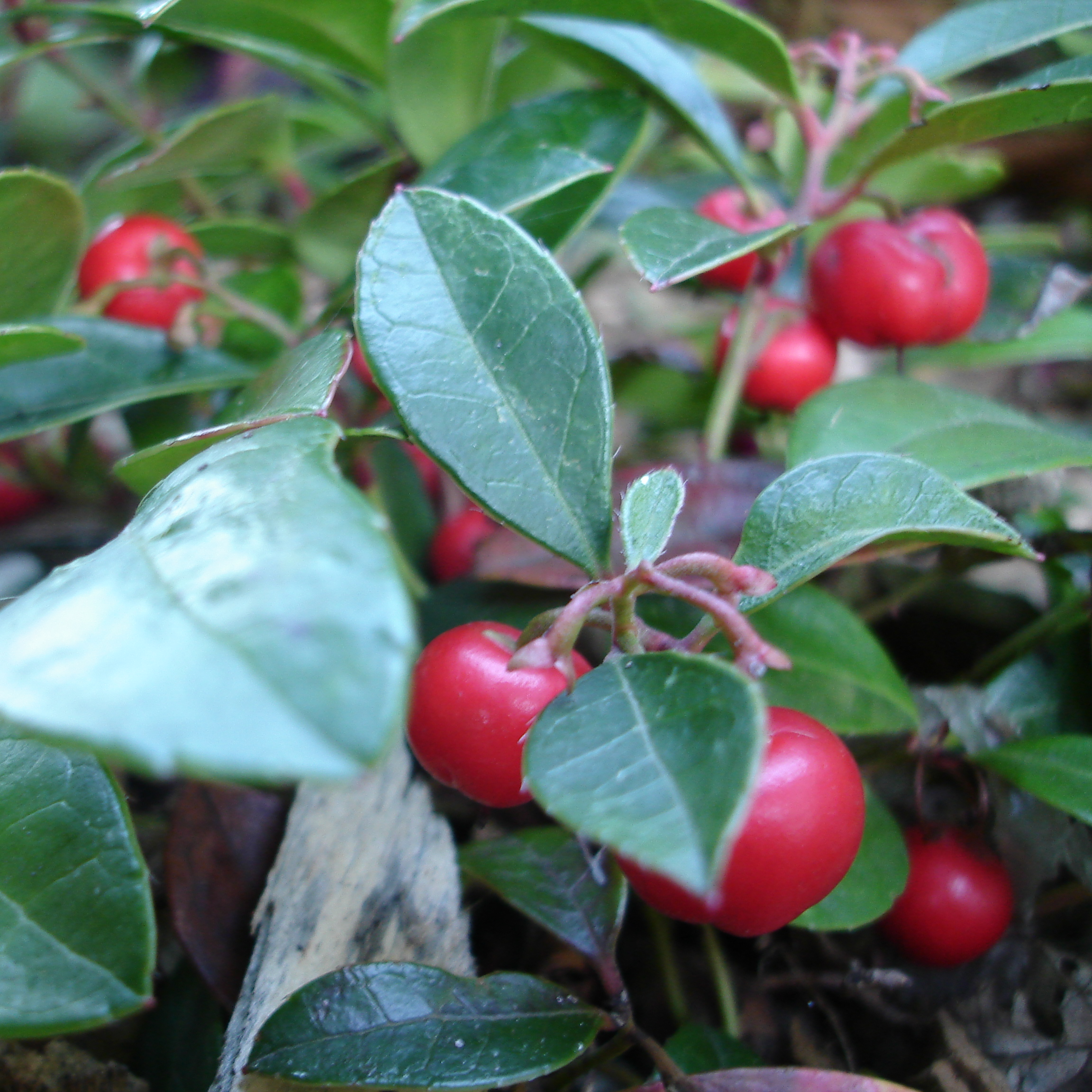
- Dark green aromatic leaves with pink and #e4675f flowers, grows red berries
Uses: Wounds and minor poisons
Wood sorrel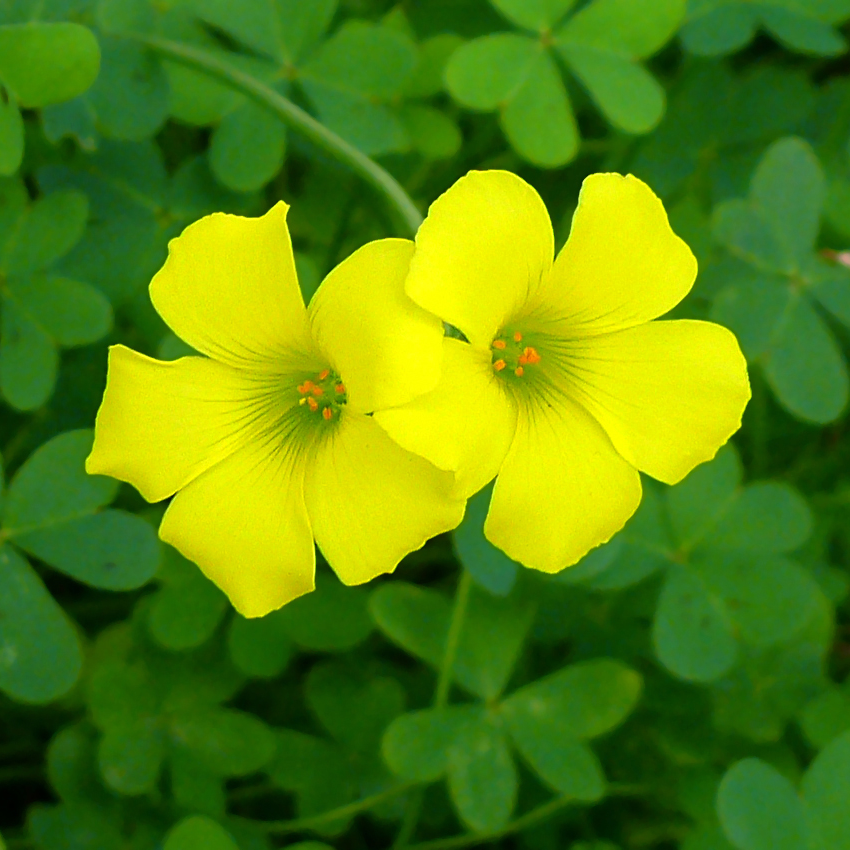
- Dark green sour smelling leave with yellow heart-shaped petals for flowers
Uses: Boils and abscesses, infections
Yarrow
- A white flowering plant with jagged soft leaves
Uses: Induces vomiting, cracked pads
-
Poisons
-
Deathberries

- Bright scarlet berries from a dark-leafy bush
Uses: Poison, infection
Deadly Nightshade
- A small shrub with bell-shaped flowers with purple-tinged leaves. It grows shiny black berries
Uses: Poison
-
-
SHADOWCLAN HERB LIST Unlike ThunderClan the marshes lend itself to only the most hardy and durable of plants, the extra moisture and too rich soil leave ShadowClan lacking in many areas but the nearby twoleg places help compensate for this and there is always the option of 'borrowing' from their neighbors...
Herbs found in other areas will be marked with that clan symbol, if you do not see a symbol then that herb is exclusive to ShadowClan.
- ThunderClan | - SkyClan | - RiverClan | - WindClan
-
A B C D
-
Bindweed
- Blue/white petals with a yellow center.
Uses: Splint building
Blackberry leaves
- Pinkish white 5-petal flowers, leaves carry a sharp scent.
Uses: Poultice for bee stings
Borage
- Purple flowers with soft leaves. Zesty scent, bitter taste.
Uses: Milk production, fever reduction, sore stomach/chest relief.
Bright-eye
- Light pink petals with darker centers and smooth leaves.
Uses: Poultice, cough relief
Burdock root
- Tall-stemmed thistle with dark leaves and black roots.
Uses: Bites/infections, numbing agent
Catchweed
- Fuzzy green pods on long stems.
Uses: Holds poultice.
Catmint - Rare in every Clan. In SkyClan, scarce in every season except New-Leaf.
- Tall, leafy delectable plant with fuzzy purple flowers. Looks like nettles but doesn't sting.
Uses: Greencough/whitecough
Cob Nuts
- Small round nut with a hard shell.
Uses: Ointments, Food...
Cobwebs
- Shiny strands of spun webs.
Uses: Stops bleeding, splints, holds poultice
Coltsfoot Found only in New-Leaf
- Fragrant plant with yellow and white flowers, easily confused with dandelions.
Uses: Eases breathing/coughing
Comfrey
- Long, large leaves and fat black roots. Resembles Catmint.
Uses: Broken bones, wounds, burns, claws, anti-inflammation. stiffness
Daisy leaf
- Dark oval shaped leaves with a fuzzy stem and bitter taste
Uses: Joint pain, back pain, travel
Dandelion
-Yellow flowering plant with hollow stems
Uses: Fever reduction, pain killer, meadow saffron poisoning
Dock/dock leaf
- Soft, parge-leafed plant with a tangy smell and taste
Uses: Sore pads, training
-
E F G H
-
Elder leaves
- Found on elder brush, clean scent
Uses: Poultice, sprains and muscles
Feverfew - Alongside water
- Scalloped leaves with yellow and white flowers. Sharp scent
Uses: Reduces body temp, aches and pains, headaches
Honey
- Golden-sweet sticky liquid
Uses: Throat relief, soothes infections, draws poison
Horsetail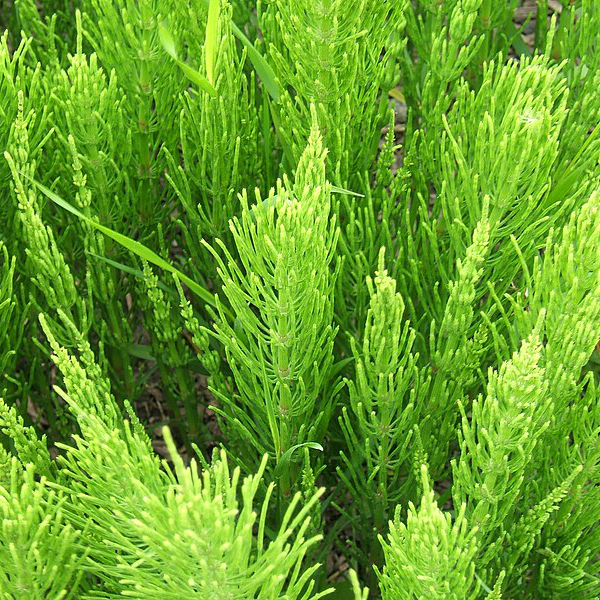
- Tall, bristly stemmed plant with fleshy stems. Has a pungent scent and bitter tasting sap
Uses: Poultice, infections, minor bleeding
-
I J K L
-
Ivy leaf

- Long thick stems and pointed leaves
Uses: Splint aid
-
M N O P
-
Mallow
- Large sweet fuzzy leaves with a bitter taste
Uses: Bellyache, coughs
Marigold
- Bright orange flowers. During newleaf they smell sweet, in leaf-fall they smell like nettles
Uses: Poultice, infections, minor bleeding, stiff joints
Moss
- Spongey soft green shrub
Uses: Bedding, soaks bile, honey, or water, pressure for bleeding
Mouse bile
- Foul smelling waste
Uses: Ticks and fleas
Oak leaf
-Broad brightly colored leaves with scalloped edges
Uses: infection
Parsley
- Long-stemmed plant with ragged crinkly leaves and sharp scent
Uses: Bellyache, stops milk
Poppy seeds
- Tiny round black seeds shaken from a poppy flower
Uses: Stress, pain
-
Q R S T
-
Ragweed
- Tall yellow flowers with a pungent smell
Uses: strength
Ragwort leaves
- Tall shrub with yellow flowers, foul taste
Uses: Joints, strength
Rush
- A tall, narrow dark green plant with lavender flowers
Uses: Bind bones
Sticks
- Do u need a description for this. fr
Uses: Broken bones, kitting, carry moss
Stinging nettle
- Large stalks with spiny seeds
Uses: Remove poison, infection, swelling, sprains and broken bones
Sweet-sedge - Found only in winter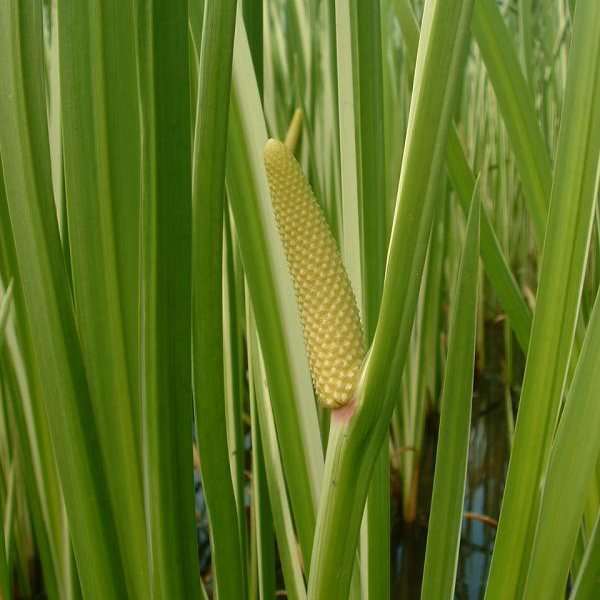
- Tall thick green leaves and tiny green flowers. Has a thick white root
Uses: infection
Tree sap
- Honey-to-orange liquid that hardens easily, smells like the tree its harvested from
Uses: coughs
Thyme
- Small green leaves with a woody stem
Uses: Anxiety, shock, coughs, colds, indigestion -
U V W X Y Z
-
Watermint
- A tall green plant with oval-shaped leaves, purple flowers and spiky stems
Uses: gas-bellyaches, death scent
Wild garlic
- Extremely sharp scent, grown in patches with dark green leaves
Uses: Rat bites
Willow herb
- Scrubby and hardy plant with tiny purple flowers
Uses: unknown
Wood sorrel
- Dark green sour smelling leave with yellow heart-shaped petals for flowers
Uses: Boils and abscesses, infections
-
Poisons
-
Foxglove seeds
- Tiny black seeds from a bell-shaped flower, closely resembling poppy seeds
Uses: Poison
Deadly Nightshade
- A small shrub with bell-shaped flowers with purple-tinged leaves. It grows shiny black berries
Uses: Poison
Water Hemlock
- Green-white flowers that grow in umbrella shaped patches.
Uses: Poison
-
-
SKYCLAN HERB LIST SkyClan's close proximity to the twolegplace gives them an array of rare herbs that the other clans are unable to access as they are not wild grown, the lush forested area lends well to greenery making them a bountifully rich garden of possibilities though they lack in the more hardy, rooted types.
Herbs found in other areas will be marked with that clan symbol, if you do not see a symbol then that herb is exclusive to SkyClan.
- ThunderClan | - RiverClan | - WindClan | - ShadowClan
-
A B C D
-
Alder Bark - Found only in Leafbare.
- Dark grey bark, the younger the tree the lighter the bark. The tree branches are sticky.
Uses: Toothaches
Bindweed
- Blue/white petals with a yellow center.
Uses: Splint building
Blackberry leaves
- Pinkish white 5-petal flowers, leaves carry a sharp scent.
Uses: Poultice for bee stings
Borage
- Purple flowers with soft leaves. Zesty scent, bitter taste.
Uses: Milk production, fever reduction, sore stomach/chest relief.
Bright-eye
- Light pink petals with darker centers and smooth leaves.
Uses: Poultice, cough relief
Burnet
- Green basal leaves with spiky purple flowers.
Uses: Travel, strength, expecting queens
Catchweed
- Fuzzy green pods on long stems.
Uses: Holds poultice.
Catmint - Rare in every Clan. In SkyClan, scarce in every season except New-Leaf.
- Tall, leafy delectable plant with fuzzy purple flowers. Looks like nettles but doesn't sting.
Uses: Greencough/whitecough
Chamomile
- Small white flowers with large yellow centers.
Uses: Traveling, heart strength, calming..
Cob Nuts
- Small round nut with a hard shell.
Uses: Ointments, Food...
Cobwebs
- Shiny strands of spun webs.
Uses: Stops bleeding, splints, holds poultice
Coltsfoot Found only in New-Leaf
- Fragrant plant with yellow and white flowers, easily confused with dandelions.
Uses: Eases breathing/coughing
Comfrey
- Long, large leaves and fat black roots. Resembles Catmint.
Uses: Broken bones, wounds, burns, claws, anti-inflammation. stiffness
Daisy leaf
- Dark oval shaped leaves with a fuzzy stem and bitter taste
Uses: Joint pain, back pain, travel
Dandelion
-Yellow flowering plant with hollow stems
Uses: Fever reduction, pain killer, meadow saffron poisoning
Dock/dock leaf
- Soft, parge-leafed plant with a tangy smell and taste
Uses: Sore pads, training
-
E F G H
-
Elder leaves
- Found on elder brush, clean scent
Uses: Poultice, sprains and muscles
Feverfew - Alongside water
- Scalloped leaves with yellow and white flowers. Sharp scent
Uses: Reduces body temp, aches and pains, headaches
Honey
- Golden-sweet sticky liquid
Uses: Throat relief, soothes infections, draws poison
-
I J K L
-
Juniper berries
- Purple-blue berries on bushes with spiky leaves. Pungent smell that leaves when they're shriveled up
Uses: Bellyaches, coughs, strength, breath relief, calming
Lavender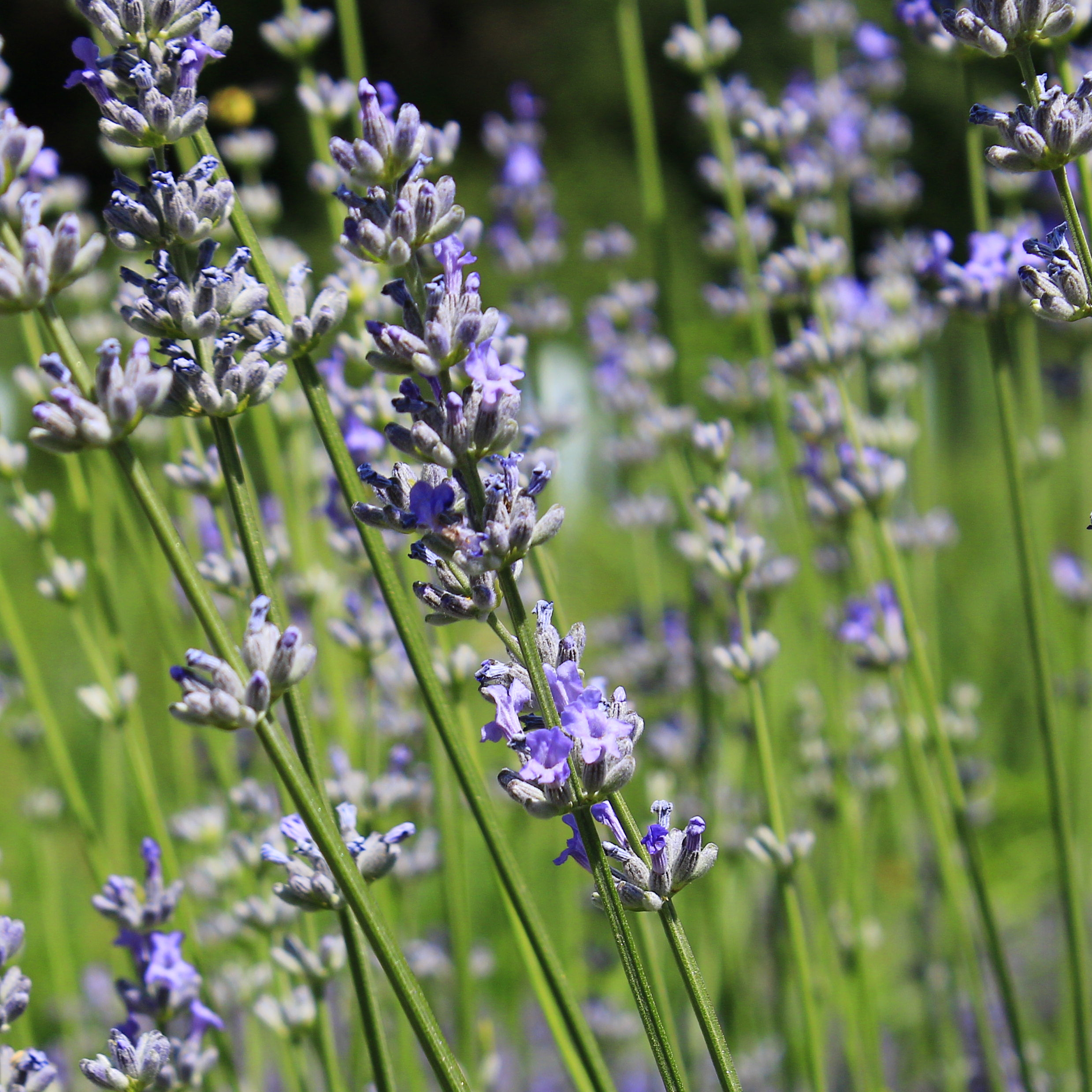
- A fragrant tall purple flower
Uses: Fevers/chills, soothes wounds
Lovage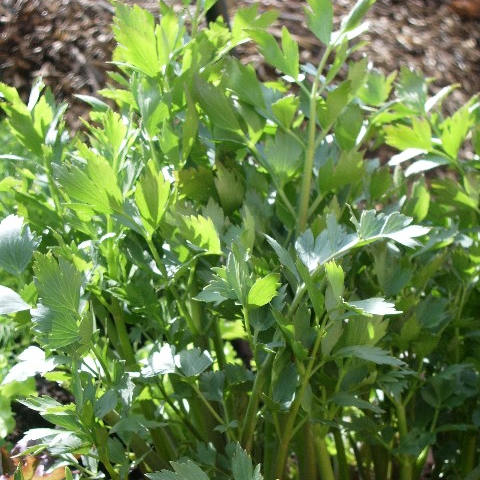
- Tall green parsley-like plant with bright yellow flowers
Uses: Bright-eye mix, coughs
-
M N O P
-
Mallow
- Large sweet fuzzy leaves with a bitter taste
Uses: Bellyache, coughs
Marigold
- Bright orange flowers. During newleaf they smell sweet, in leaf-fall they smell like nettles
Uses: Poultice, infections, minor bleeding, stiff joints
Moss
- Spongey soft green shrub
Uses: Bedding, soaks bile, honey, or water, pressure for bleeding
Mouse bile
- Foul smelling waste
Uses: Ticks and fleas
Oak leaf
-Broad brightly colored leaves with scalloped edges
Uses: infection
Poppy seeds
- Tiny round black seeds shaken from a poppy flower
Uses: Stress, pain
-
Q R S T
-
Ragweed
- Tall yellow flowers with a pungent smell
Uses: strength
Ragwort leaves
- Tall shrub with yellow flowers, foul taste
Uses: Joints, strength
Raspberry leaves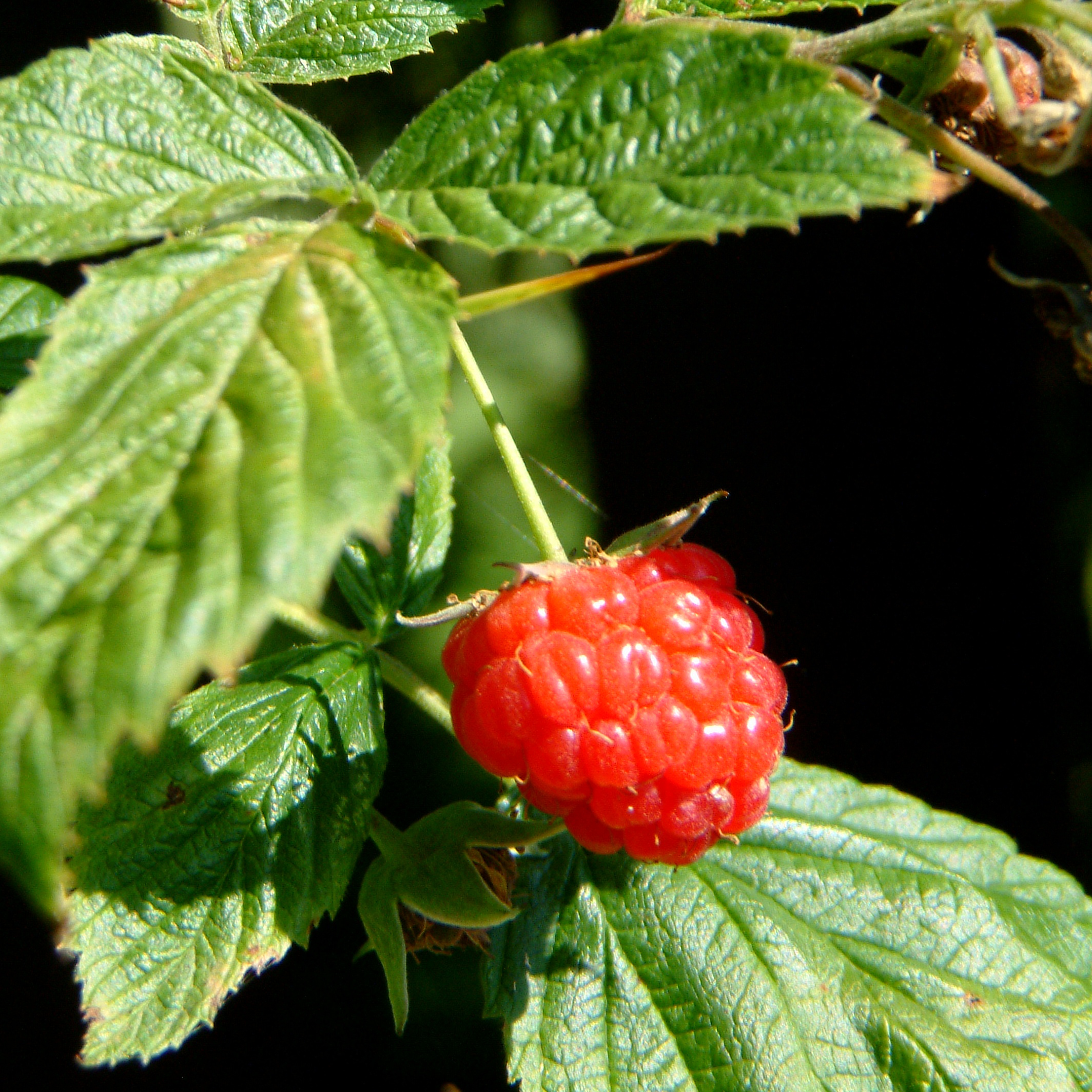
- Soft to the touch with jagged edges
Uses: Pain, bleeding
Rush
- A tall, narrow dark green plant with lavender flowers
Uses: Bind bones
Sorrel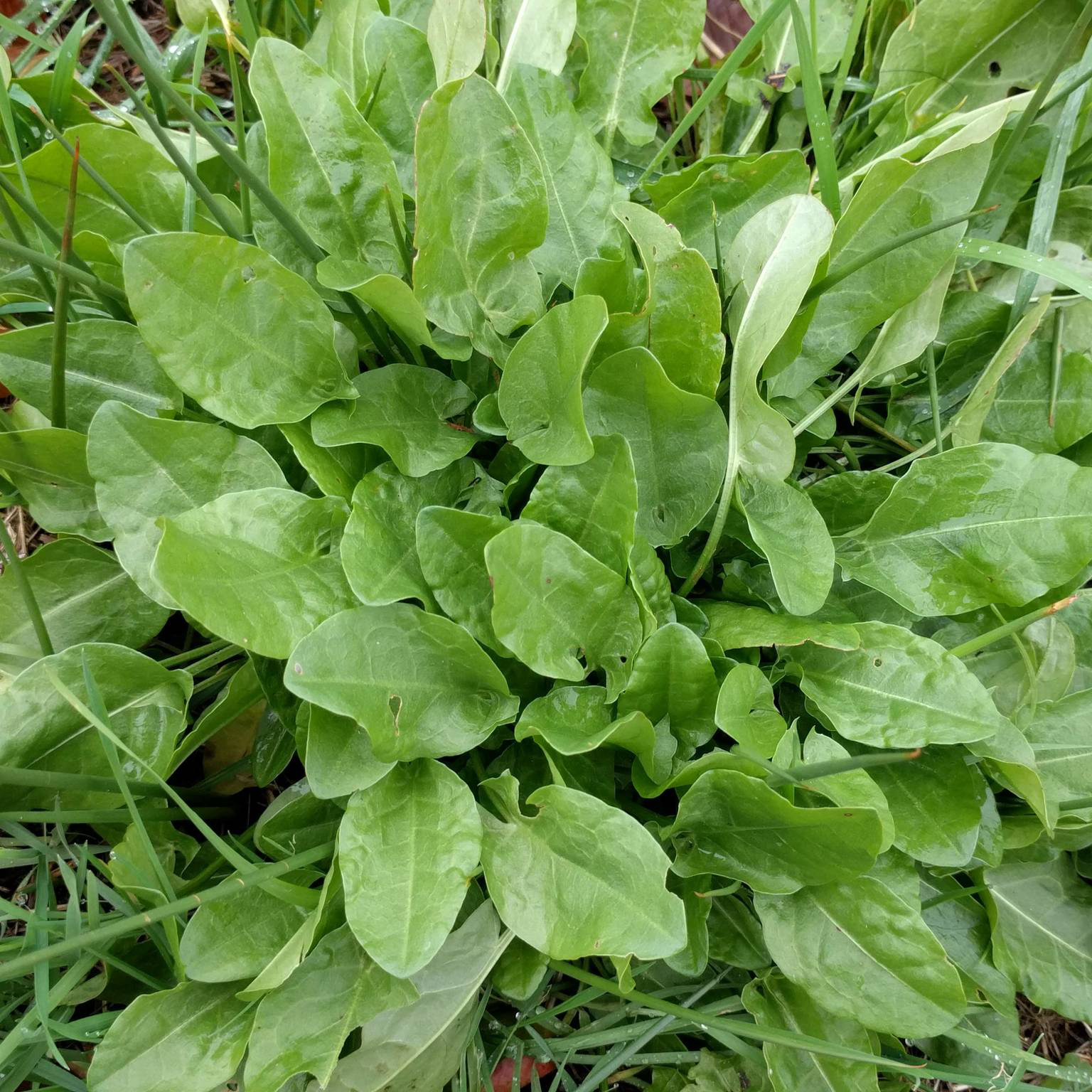
- A green shrub with wide, flat leaves
Uses: Appetite, thirst, endurance
Sticks
- Do u need a description for this. fr
Uses: Broken bones, kitting, carry moss
Stinging nettle
- Large stalks with spiny seeds
Uses: Remove poison, infection, swelling, sprains and broken bones
Tansy
- Small curly feathery leaves and round yellow flowers. Strong and sweet scent
Uses: Coughs, sore throats, wounds, greencough preventative, disguising scents
Tree sap
- Honey-to-orange liquid that hardens easily, smells like the tree its harvested from
Uses: coughs
Thyme
- Small green leaves with a woody stem
Uses: Anxiety, shock, coughs, colds, indigestion -
U V W X Y Z
-
Watermint
- A tall green plant with oval-shaped leaves, purple flowers and spiky stems
Uses: gas-bellyaches, death scent
Wood sorrel
- Dark green sour smelling leave with yellow heart-shaped petals for flowers
Uses: Boils and abscesses, infections
Yarrow
- A white flowering plant with jagged soft leaves
Uses: Induces vomiting, cracked pads
-
Poisons
-
Foxglove seeds
- Tiny black seeds from a bell-shaped flower, closely resembling poppy seeds
Uses: Poison
-
-
RIVERCLAN HERB LIST With the river so close the the rainforest-esque territory damp and welcoming to new life RiverClan rarely finds itself lacking in more types of herbs though the drier sorts that require less water tend to not be particularly long lasting in this area.
Herbs found in other areas will be marked with that clan symbol, if you do not see a symbol then that herb is exclusive to RiverClan.
- ThunderClan | - SkyClan | - WindClan | - ShadowClan
-
A B C D
-
Bindweed
- Blue/white petals with a yellow center.
Uses: Splint building
Bright-eye
- Light pink petals with darker centers and smooth leaves.
Uses: Poultice, cough relief
Burnet
- Green basal leaves with spiky purple flowers.
Uses: Travel, strength, expecting queens
Catmint - Rare in every Clan. In SkyClan, scarce in every season except New-Leaf.
- Tall, leafy delectable plant with fuzzy purple flowers. Looks like nettles but doesn't sting.
Uses: Greencough/whitecough
Celandine
- Yellow four-petal flowers on fuzzy stems.
Uses: Eye soothing.
Cobwebs
- Shiny strands of spun webs.
Uses: Stops bleeding, splints, holds poultice
Coltsfoot Found only in New-Leaf
- Fragrant plant with yellow and white flowers, easily confused with dandelions.
Uses: Eases breathing/coughing
Comfrey
- Long, large leaves and fat black roots. Resembles Catmint.
Uses: Broken bones, wounds, burns, claws, anti-inflammation. stiffness
Daisy leaf
- Dark oval shaped leaves with a fuzzy stem and bitter taste
Uses: Joint pain, back pain, travel
Dandelion
-Yellow flowering plant with hollow stems
Uses: Fever reduction, pain killer, meadow saffron poisoning
Dock/dock leaf
- Soft, parge-leafed plant with a tangy smell and taste
Uses: Sore pads, training
-
E F G H
-
Elder leaves
- Found on elder brush, clean scent
Uses: Poultice, sprains and muscles
Fennel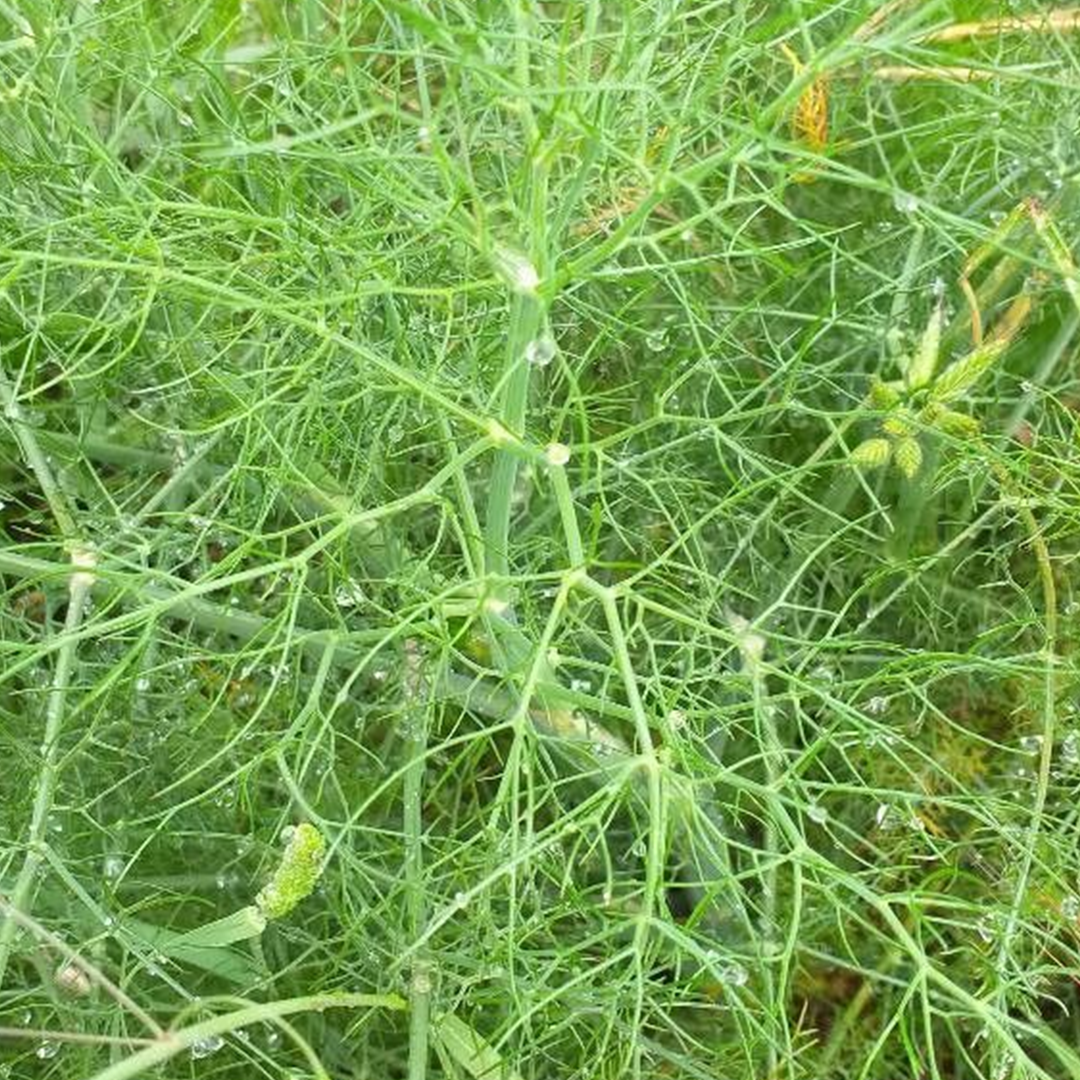
- Thin spiky leaves with tiny yellow flowers
Uses: Hip pain
Feverfew - Alongside water
- Scalloped leaves with yellow and white flowers. Sharp scent
Uses: Reduces body temp, aches and pains, headaches
Goatweed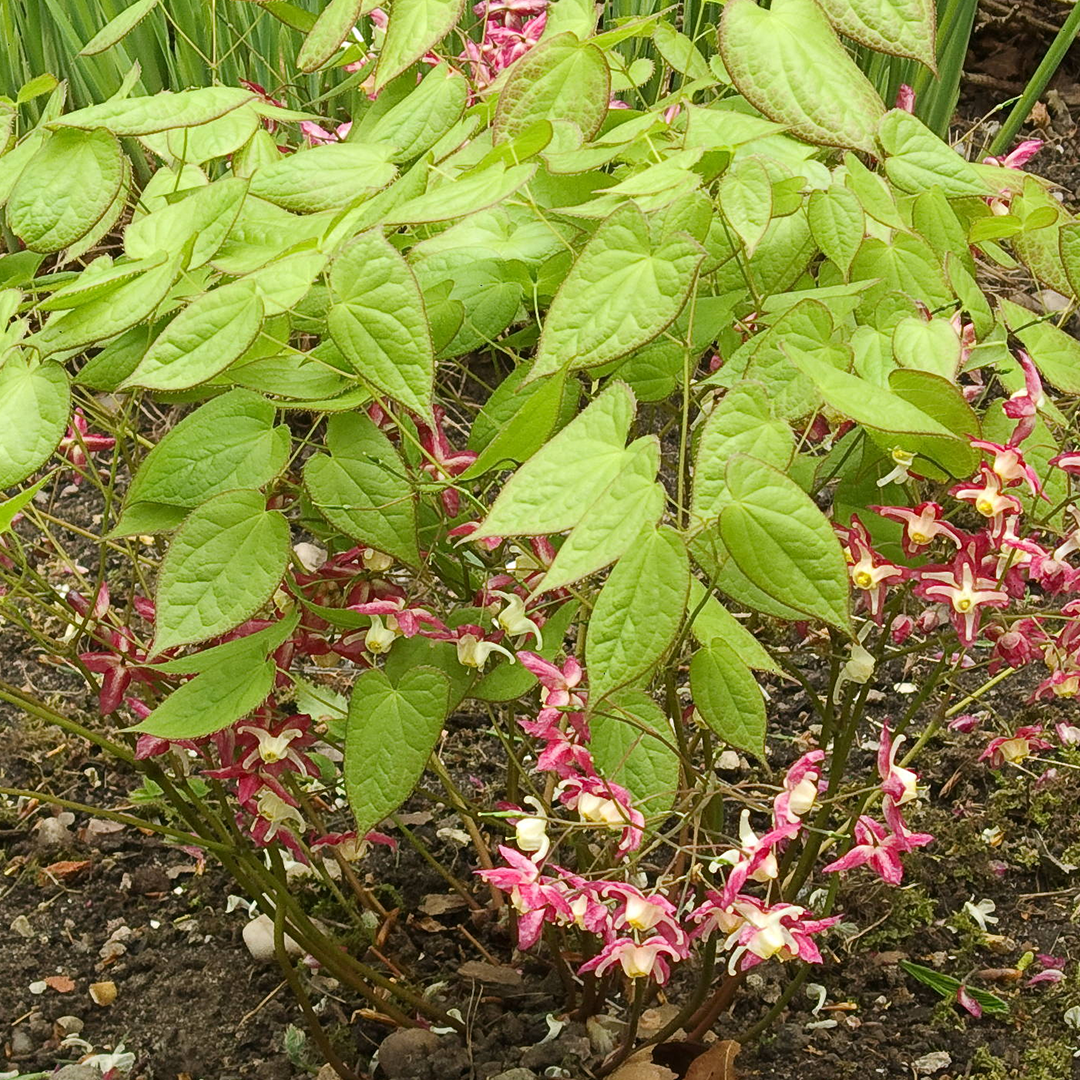
- Large ovate leaves
Uses: Grief
Honey
- Golden-sweet sticky liquid
Uses: Throat relief, soothes infections, draws poison
-
I J K L
-
M N O P
-
Mallow
- Large sweet fuzzy leaves with a bitter taste
Uses: Bellyache, coughs
Marigold
- Bright orange flowers. During newleaf they smell sweet, in leaf-fall they smell like nettles
Uses: Poultice, infections, minor bleeding, stiff joints
Moss
- Spongey soft green shrub
Uses: Bedding, soaks bile, honey, or water, pressure for bleeding
Mouse bile
- Foul smelling waste
Uses: Ticks and fleas
Oak leaf
-Broad brightly colored leaves with scalloped edges
Uses: infection
Poppy seeds
- Tiny round black seeds shaken from a poppy flower
Uses: Stress, pain
-
Q R S T
-
Ragwort leaves
- Tall shrub with yellow flowers, foul taste
Uses: Joints, strength
Rosemary
- Tall needlelike plants with a pungent scent
Uses: Death scent
Rush
- A tall, narrow dark green plant with lavender flowers
Uses: Bind bones
Sticks
- Do u need a description for this. fr
Uses: Broken bones, kitting, carry moss
Stinging nettle
- Large stalks with spiny seeds
Uses: Remove poison, infection, swelling, sprains and broken bones
Sweet-sedge - Found only in winter
- Tall thick green leaves and tiny green flowers. Has a thick white root
Uses: infection
Tree sap
- Honey-to-orange liquid that hardens easily, smells like the tree its harvested from
Uses: coughs
Thyme
- Small green leaves with a woody stem
Uses: Anxiety, shock, coughs, colds, indigestion -
U V W X Y Z
-
Watermint
- A tall green plant with oval-shaped leaves, purple flowers and spiky stems
Uses: gas-bellyaches, death scent
Willow bark
- Easily breakable bark from the willow tree, gray in color. It's juice is a pain reliever.
Uses: Pain
Willow leaves
- Long draping leaves coated in fine white hairs
Uses: Vomiting
Yarrow
- A white flowering plant with jagged soft leaves
Uses: Induces vomiting, cracked pads
-
Poisons
-
Water Hemlock
- Green-white flowers that grow in umbrella shaped patches.
Uses: Poison
-
-
WINDCLAN HERB LIST The sweeping tall prairie fields of WindClan hold an abundance of different kinds of plants mixed within the tangle of its wildflowers and unruly grasses, the land is well kept and fertilized by the countless rabbits though it often becomes a race to get to the herbs before those varmints do.
Herbs found in other areas will be marked with that clan symbol, if you do not see a symbol then that herb is exclusive to WindClan.
- ThunderClan | - SkyClan | - RiverClan | - ShadowClan
-
A B C D
-
Bindweed
- Blue/white petals with a yellow center.
Uses: Splint building
Bright-eye
- Light pink petals with darker centers and smooth leaves.
Uses: Poultice, cough relief
Broom - Found only in Leafbare.
- Shrubs with small leaves and yellow flowers.
Uses: Poultice, broken legs/wounds
Burdock root
- Tall-stemmed thistle with dark leaves and black roots.
Uses: Bites/infections, numbing agent
Burnet
- Green basal leaves with spiky purple flowers.
Uses: Travel, strength, expecting queens
Catmint - Rare in every Clan. In SkyClan, scarce in every season except New-Leaf.
- Tall, leafy delectable plant with fuzzy purple flowers. Looks like nettles but doesn't sting.
Uses: Greencough/whitecough
Cobwebs
- Shiny strands of spun webs.
Uses: Stops bleeding, splints, holds poultice
Coltsfoot Found only in New-Leaf
- Fragrant plant with yellow and white flowers, easily confused with dandelions.
Uses: Eases breathing/coughing
Comfrey
- Long, large leaves and fat black roots. Resembles Catmint.
Uses: Broken bones, wounds, burns, claws, anti-inflammation. stiffness
Daisy leaf
- Dark oval shaped leaves with a fuzzy stem and bitter taste
Uses: Joint pain, back pain, travel
Dandelion
-Yellow flowering plant with hollow stems
Uses: Fever reduction, pain killer, meadow saffron poisoning
Dock/dock leaf
- Soft, parge-leafed plant with a tangy smell and taste
Uses: Sore pads, training
-
E F G H
-
Elder leaves
- Found on elder brush, clean scent
Uses: Poultice, sprains and muscles
Feverfew - Alongside water
- Scalloped leaves with yellow and white flowers. Sharp scent
Uses: Reduces body temp, aches and pains, headaches
Goldenrod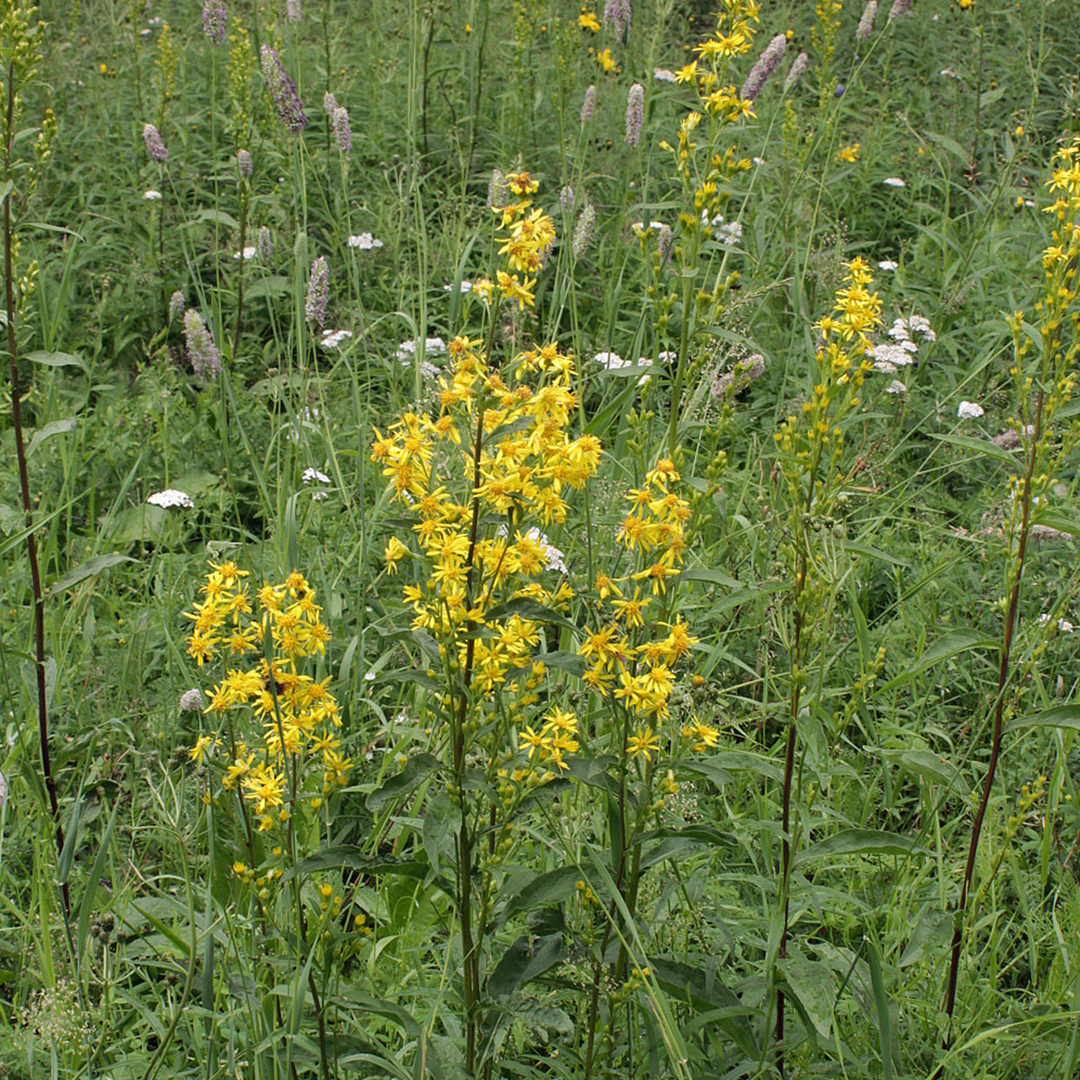
-Tall plant with bright yellow flowers
Uses: Poultice, healing/cleaning wounds
Heather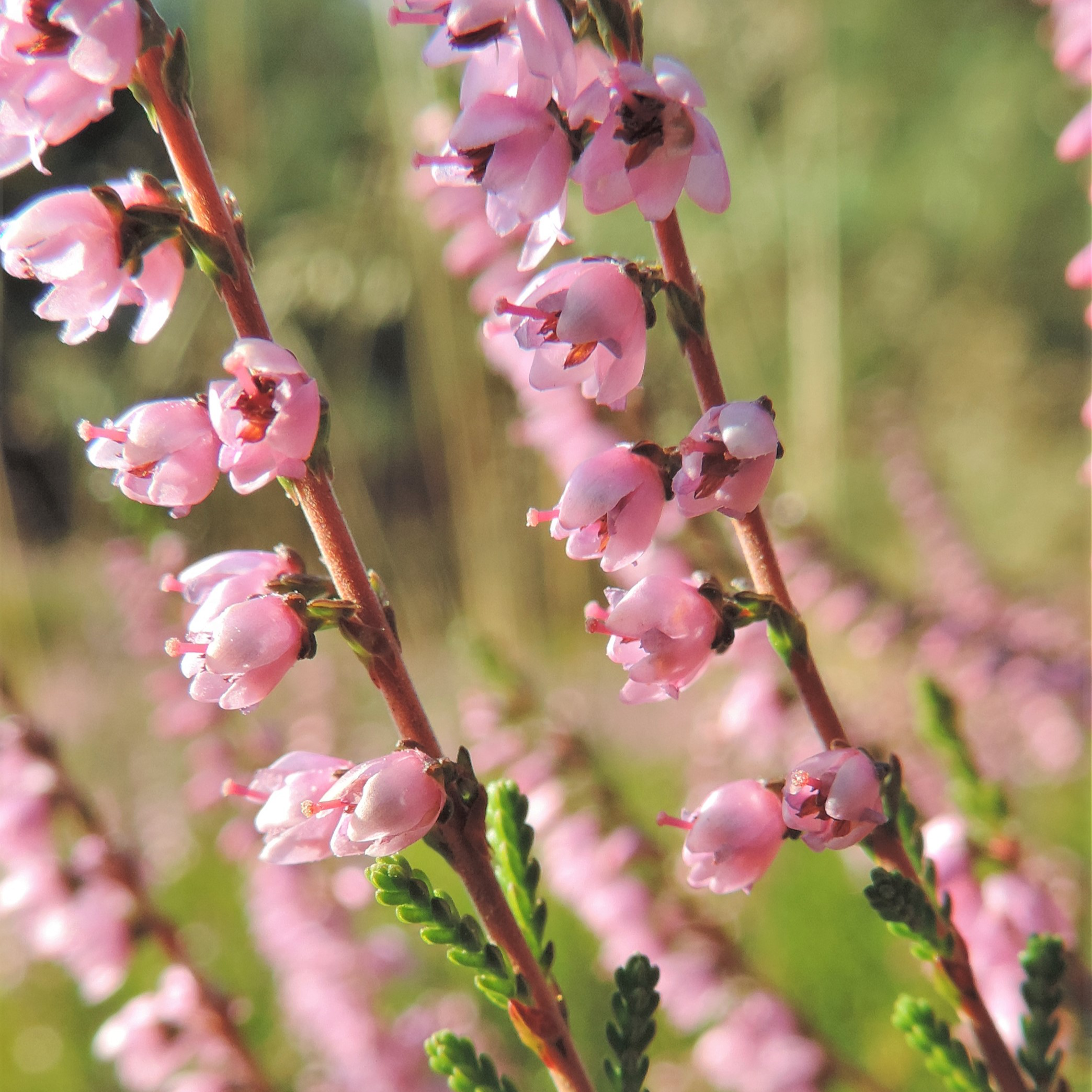
- Tall purple/pink flowers
Uses: Swallowing ease, joint aches
Honey
- Golden-sweet sticky liquid
Uses: Throat relief, soothes infections, draws poison
-
I J K L
-
Juniper berries
- Purple-blue berries on bushes with spiky leaves. Pungent smell that leaves when they're shriveled up
Uses: Bellyaches, coughs, strength, breath relief, calming
Lavender
- A fragrant tall purple flower
Uses: Fevers/chills, soothes wounds
Lungwort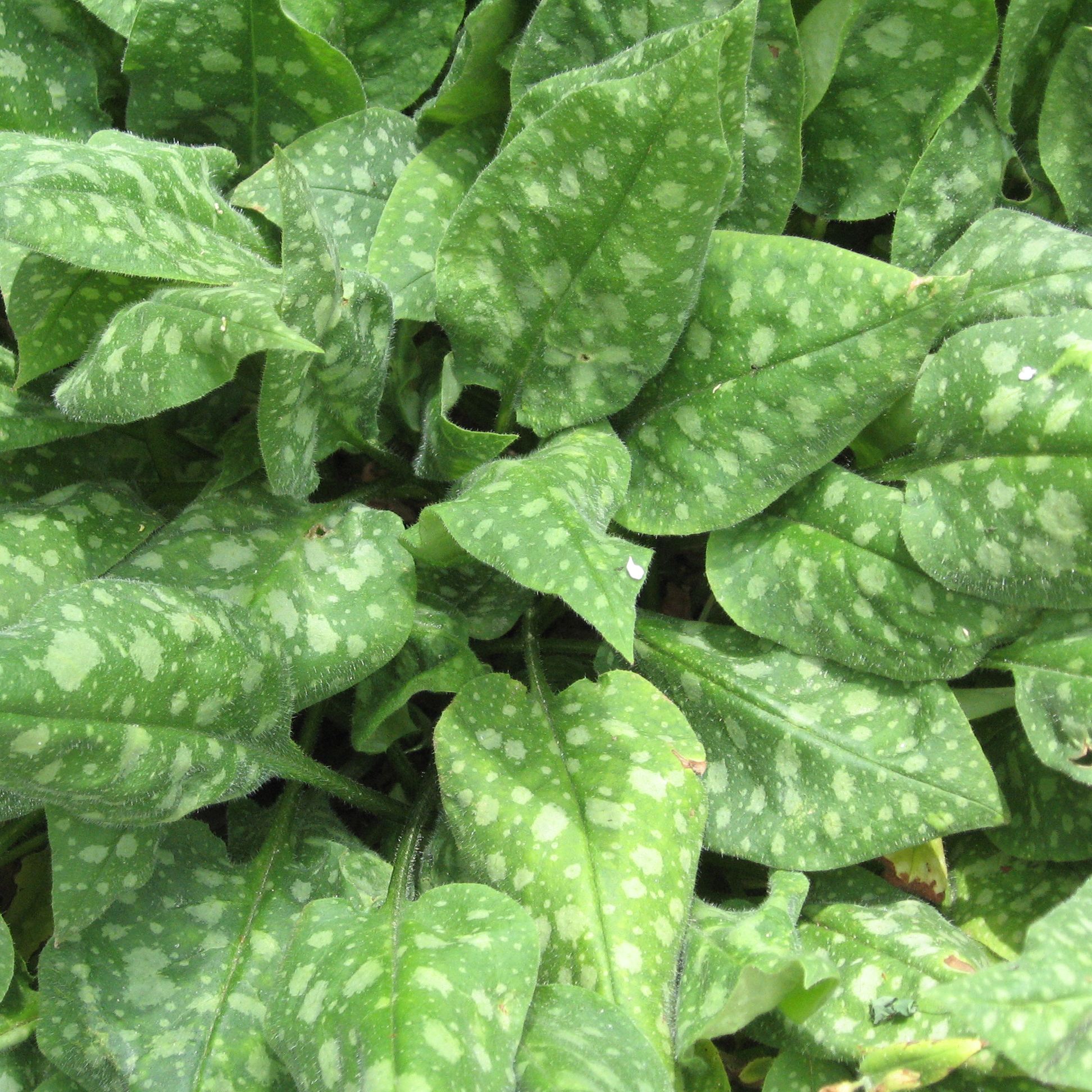
- Dark green leaves with grey speckles
Uses: Yellowcough
-
M N O P
-
Mallow
- Large sweet fuzzy leaves with a bitter taste
Uses: Bellyache, coughs
Marigold
- Bright orange flowers. During newleaf they smell sweet, in leaf-fall they smell like nettles
Uses: Poultice, infections, minor bleeding, stiff joints
Moss
- Spongey soft green shrub
Uses: Bedding, soaks bile, honey, or water, pressure for bleeding
Mouse bile
- Foul smelling waste
Uses: Ticks and fleas
Oak leaf
-Broad brightly colored leaves with scalloped edges
Uses: infection
Poppy seeds
- Tiny round black seeds shaken from a poppy flower
Uses: Stress, pain
-
Q R S T
-
Ragwort leaves
- Tall shrub with yellow flowers, foul taste
Uses: Joints, strength
Rush
- A tall, narrow dark green plant with lavender flowers
Uses: Bind bones
Sheep sorrel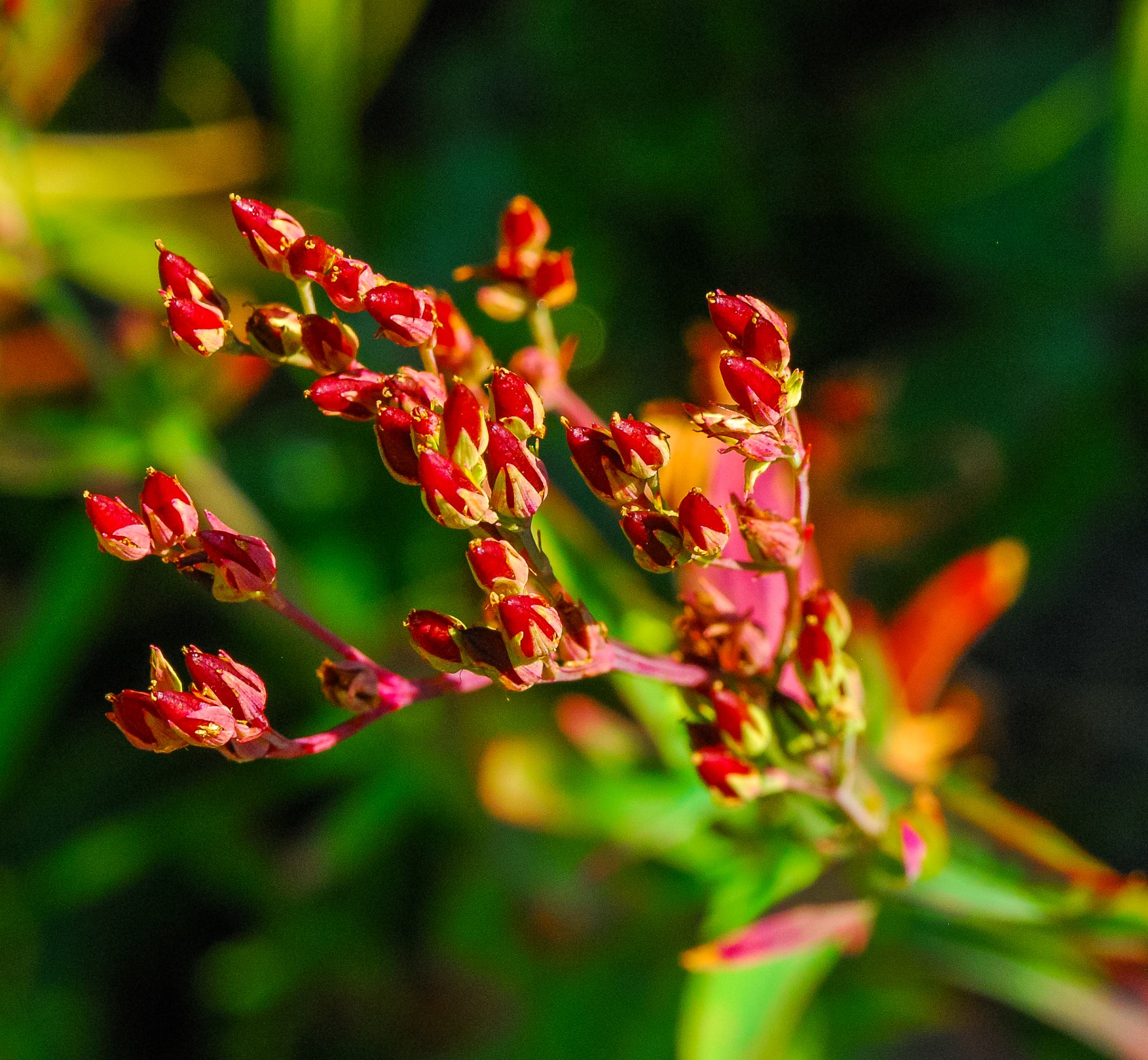
- A small arrow-shaped leafy plant with red or yellow flowers
Uses: Fever
Sticks
- Do u need a description for this. fr
Uses: Broken bones, kitting, carry moss
Stinging nettle
- Large stalks with spiny seeds
Uses: Remove poison, infection, swelling, sprains and broken bones
Tree sap
- Honey-to-orange liquid that hardens easily, smells like the tree its harvested from
Uses: coughs
Thyme
- Small green leaves with a woody stem
Uses: Anxiety, shock, coughs, colds, indigestion -
U V W X Y Z
-
Watermint
- A tall green plant with oval-shaped leaves, purple flowers and spiky stems
Uses: gas-bellyaches, death scent
-
Poisons
-
Meadow Saffron
- A wide blooming purple flower.
Uses: Poison
-
-


CREDITS - Thank you to @gonkpilled & @virus for their collaborated effort on gathering together information on our herb list.
Special thank you to @Scarlet for resource gathering and information that helped fully flesh out details, several sections are entirely her!
Images are licensed through Creative Commons/SAL & Wikipedia CC. These will be replaced with our own custom images/art as they are completed.
Special thank you to @Scarlet for resource gathering and information that helped fully flesh out details, several sections are entirely her!
Images are licensed through Creative Commons/SAL & Wikipedia CC. These will be replaced with our own custom images/art as they are completed.